Definition
An AI Workload is a set of computing tasks and processes required to develop, train, deploy, or operate an artificial intelligence model or application.
AI workloads can involve data processing, model training, fine-tuning, inference, and other AI-related computing tasks. Different workloads place different demands on compute, memory, storage, networking, power, and cooling infrastructure.
Types of AI Workloads
The main AI workload categories include:
AI Training
Training workloads use large datasets to train or improve AI models. They typically require substantial accelerator compute, memory capacity, and high-speed communication between computing nodes.
AI Inference
Inference workloads run trained models to generate predictions, responses, or other outputs from new data. They often prioritize latency, throughput, and efficient resource utilization.
Data Processing
Data processing workloads prepare, transform, and move data for AI training and other model-related tasks. They can place significant demands on CPU resources, storage, and data movement.
Fine-Tuning
Fine-tuning workloads adapt an existing trained model to specific datasets or applications. Their infrastructure requirements generally fall between full-scale model training and inference, depending on the model and methodology.
AI Workload and Data Center Infrastructure
AI workloads directly influence the infrastructure requirements of an AI data center.
Higher-performance workloads can require:
- High-density GPU or accelerator computing
- High-bandwidth networking
- High-capacity storage
- Higher rack power density
- Advanced thermal management and cooling
For this reason, AI data center infrastructure should be designed around the characteristics and density of the workloads, rather than focusing only on individual servers or GPUs.
AI Workload and Infrastructure Planning
Different AI workloads can produce significantly different infrastructure requirements.
Training environments typically emphasize distributed compute performance and high-speed interconnects, while inference environments may place greater emphasis on latency, availability, scalability, and proximity to users or applications.
Understanding the workload helps determine the appropriate compute architecture, rack density, power distribution, cooling strategy, networking, and facility capacity.
Related Terms
- AI Infrastructure
- AI Data Center
- AI Training
- AI Inference
- Inference Cluster
- GPU Cluster
- High-Density Computing
- AI Rack
- Rack Power Density
- AI Cooling
- Thermal Management
Related ATTOM Solutions
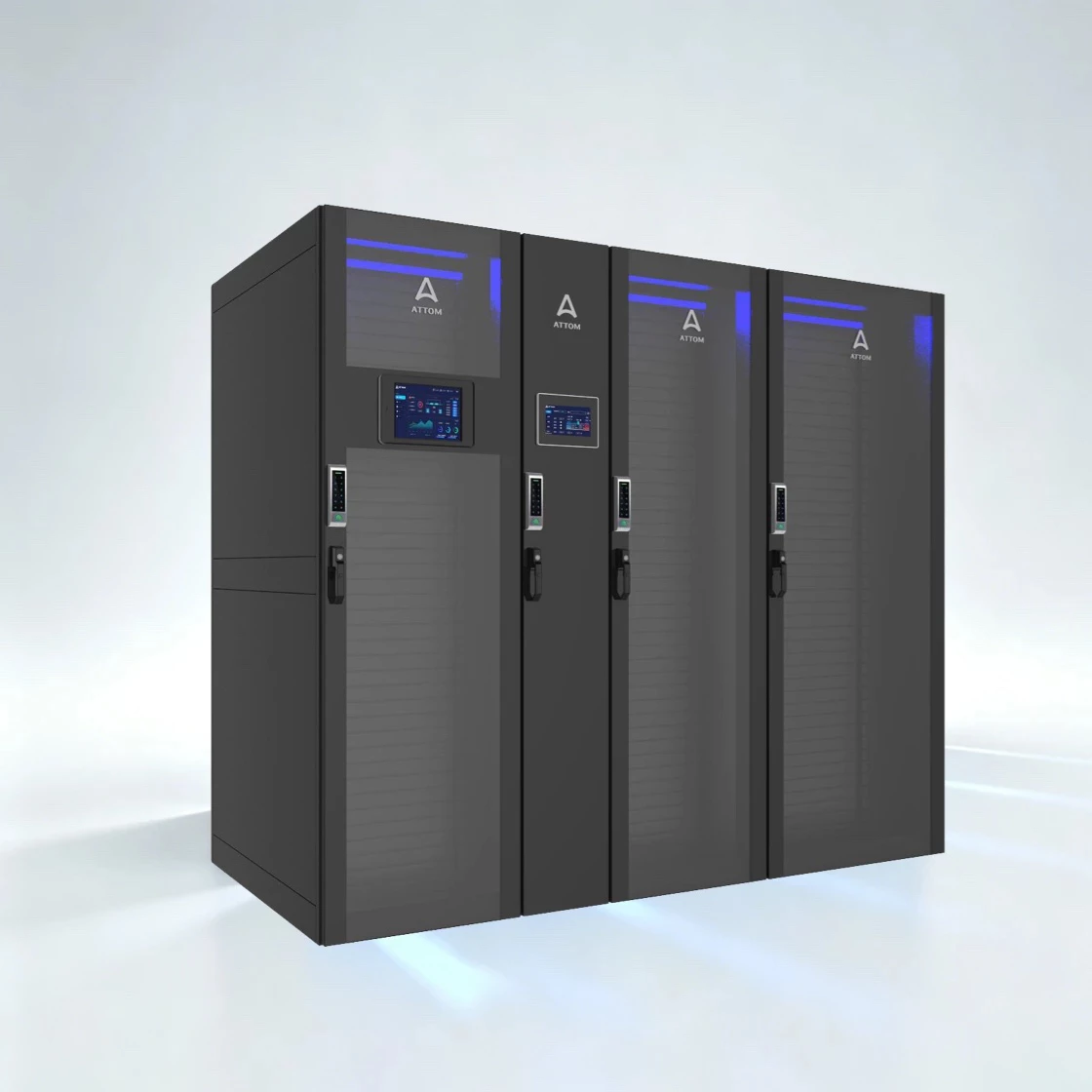
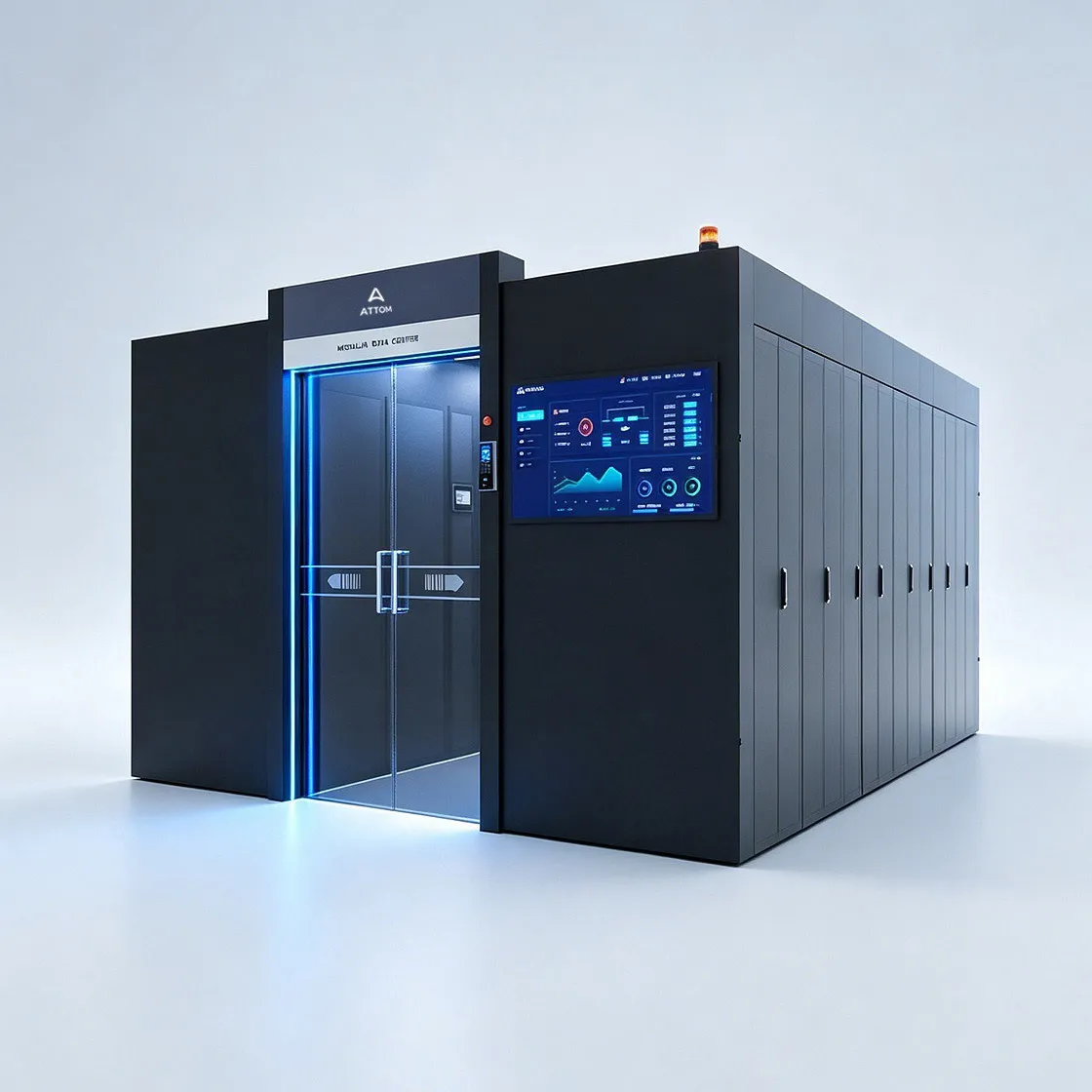
ATTOM provides infrastructure solutions for AI workloads, including AI racks, high-density power distribution, liquid cooling, and modular data center infrastructure for GPU-based AI deployments.