Definition
An Inference Cluster is a group of interconnected compute nodes, typically equipped with GPUs or other AI accelerators, designed to run trained AI models and process inference requests at scale.
Unlike a training cluster, which is primarily used to develop or train AI models, an inference cluster is designed to serve trained models for applications and users. Depending on model size and workload requirements, inference can run on a single node or across multiple nodes.
How an Inference Cluster Works
A typical inference cluster includes:
- Compute Nodes — Run AI models using GPUs, CPUs, or specialized accelerators.
- High-Speed Networking — Connects compute nodes and supports data communication between workloads.
- Model Storage — Stores trained models and related data required for inference.
- Orchestration and Scheduling — Allocates computing resources and manages inference workloads.
- Inference Serving Layer — Receives requests, runs model inference, and returns results.
Multiple nodes can work together when a model is too large for a single system or when additional capacity is required to process a high volume of inference requests.
Inference Cluster vs. Training Cluster
| Feature | Inference Cluster | Training Cluster |
|---|---|---|
| Primary Purpose | Serve trained AI models | Train or fine-tune AI models |
| Workload | Inference / serving | Model training |
| Key Requirements | Latency, throughput, availability | Compute performance and distributed processing |
| Scaling | Based on model size and request volume | Based on training workload and model size |
| Typical Infrastructure | GPUs/accelerators, networking, storage, orchestration | Large-scale accelerators, high-speed networking, storage |
The same physical AI infrastructure can sometimes support both training and inference workloads, but the architectures and operational priorities may differ.
Inference Clusters in AI Data Centers
Inference clusters are increasingly important as AI models move from development into production applications such as generative AI, large language models, recommendation systems, computer vision, and AI agents.
Production inference infrastructure may need to support large numbers of concurrent requests while maintaining predictable latency and efficient accelerator utilization. Modern inference architectures can therefore combine multiple GPU nodes with high-speed networking, distributed model serving, and resource scheduling.
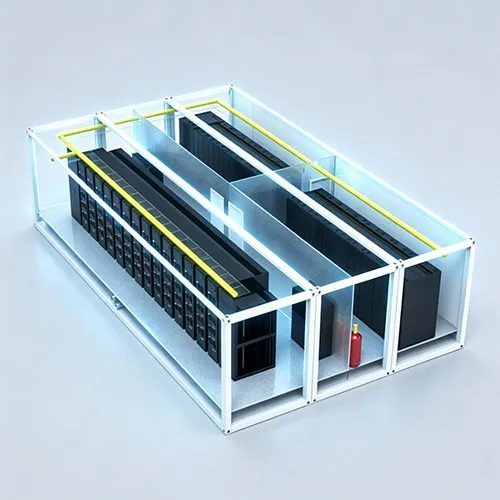
The physical infrastructure supporting an inference cluster must also accommodate the associated power, cooling, networking, and rack-density requirements.
Inference Cluster and AI Infrastructure
An inference cluster is part of the broader AI infrastructure stack:
AI Application → Inference Service → Inference Cluster → GPU / Accelerator Infrastructure → Power & Cooling
As inference workloads become larger and more distributed, infrastructure design increasingly needs to consider not only accelerator capacity but also networking, storage, thermal management, and scalability.
Related Terms
- AI Cluster
- GPU Cluster
- AI Data Center
- AI Infrastructure
- AI Rack
- GPU Server
- High-Density Computing
- AI Inference
- Training Cluster
- Large Language Model (LLM)
- Rack Power Density
Related ATTOM Solutions
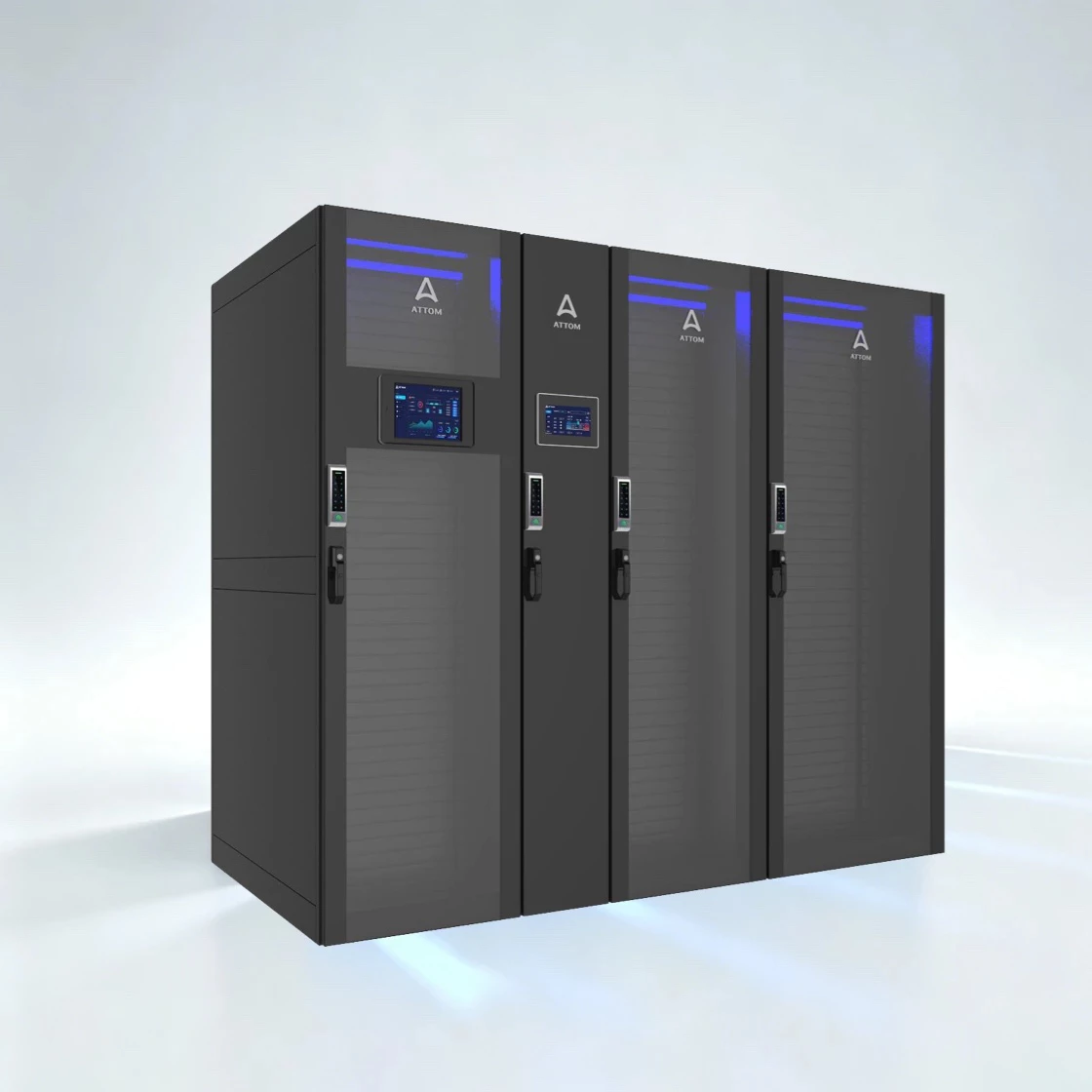
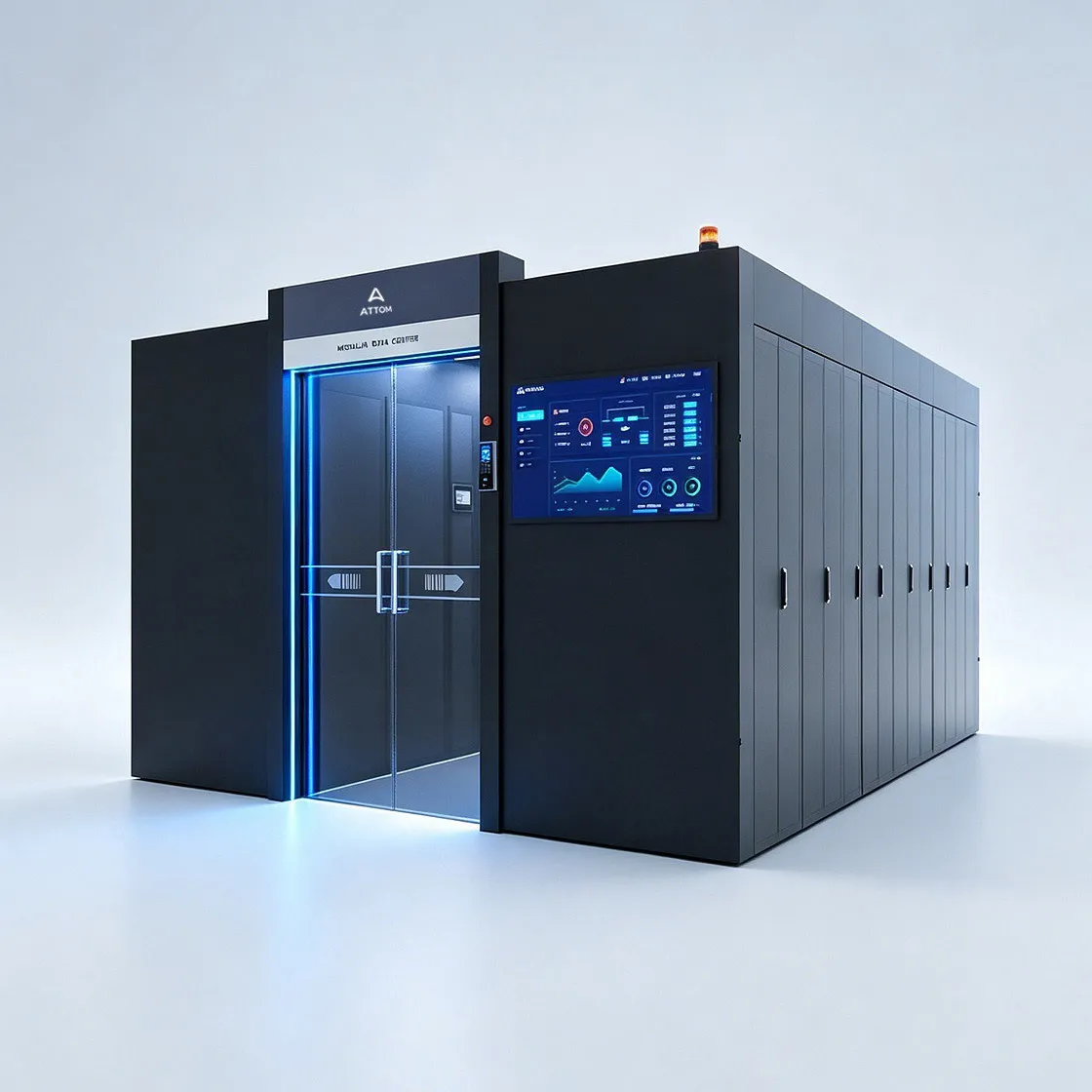
ATTOM provides infrastructure solutions for high-density AI computing, including AI racks, power distribution, Liquid cooling, and AI modular data center infrastructure designed to support GPU-based AI deployments.