Definition
AI Inference is the process of using a trained artificial intelligence model to process new data and generate predictions, decisions, classifications, or other outputs.
While AI training teaches a model by learning patterns from data, inference is the stage in which the trained model is applied to real-world inputs. It is the process that turns an AI model into a working application or service.
AI inference can run in cloud data centers, enterprise infrastructure, edge environments, and on devices such as smartphones and industrial systems.
AI Inference vs. AI Training
AI training builds or improves a model by processing large datasets and adjusting its parameters.
AI inference uses the trained model to process new inputs and generate outputs without retraining the model for each request.
Training is generally associated with large-scale, sustained compute workloads, while inference often places greater emphasis on latency, throughput, scalability, and cost efficiency, particularly for real-time AI applications.
Types of AI Inference
AI inference can be deployed in several ways depending on application requirements:
- Real-Time Inference — processes requests as they arrive and is used for interactive applications that require fast responses.
- Batch Inference — processes large volumes of data together when immediate responses are not required.
- Edge Inference — runs AI models close to where data is generated to reduce latency, bandwidth requirements, or reliance on centralized infrastructure.
- Distributed Inference — distributes inference workloads across multiple compute devices or systems to support larger models and higher demand.
AI Inference in Data Centers
Large-scale AI inference requires infrastructure capable of supporting sustained AI workloads. Depending on the model and workload, this can include AI accelerators, high-bandwidth memory, high-speed networking, storage, power distribution, and advanced cooling systems.
As AI services scale, inference infrastructure must balance compute performance with latency, utilization, energy consumption, and cost per AI output.
For high-density deployments, increasing accelerator power and continuous inference workloads can also place greater demands on rack power capacity and thermal management.
Why AI Inference Matters
Inference is the stage where AI models deliver value to users and business applications. It powers applications such as generative AI, recommendation systems, computer vision, speech recognition, fraud detection, and autonomous systems.
The rapid growth of generative and reasoning AI is also increasing demand for inference capacity. Modern AI infrastructure therefore needs to support not only model training but also efficient, scalable inference in production environments.
Related Terms
- AI Infrastructure
- AI Data Center
- AI Factory
- GPU Data Center
- GPU Server
- Liquid Cooling
- High-Density Computing
- Edge Computing
Related ATTOM Solutions
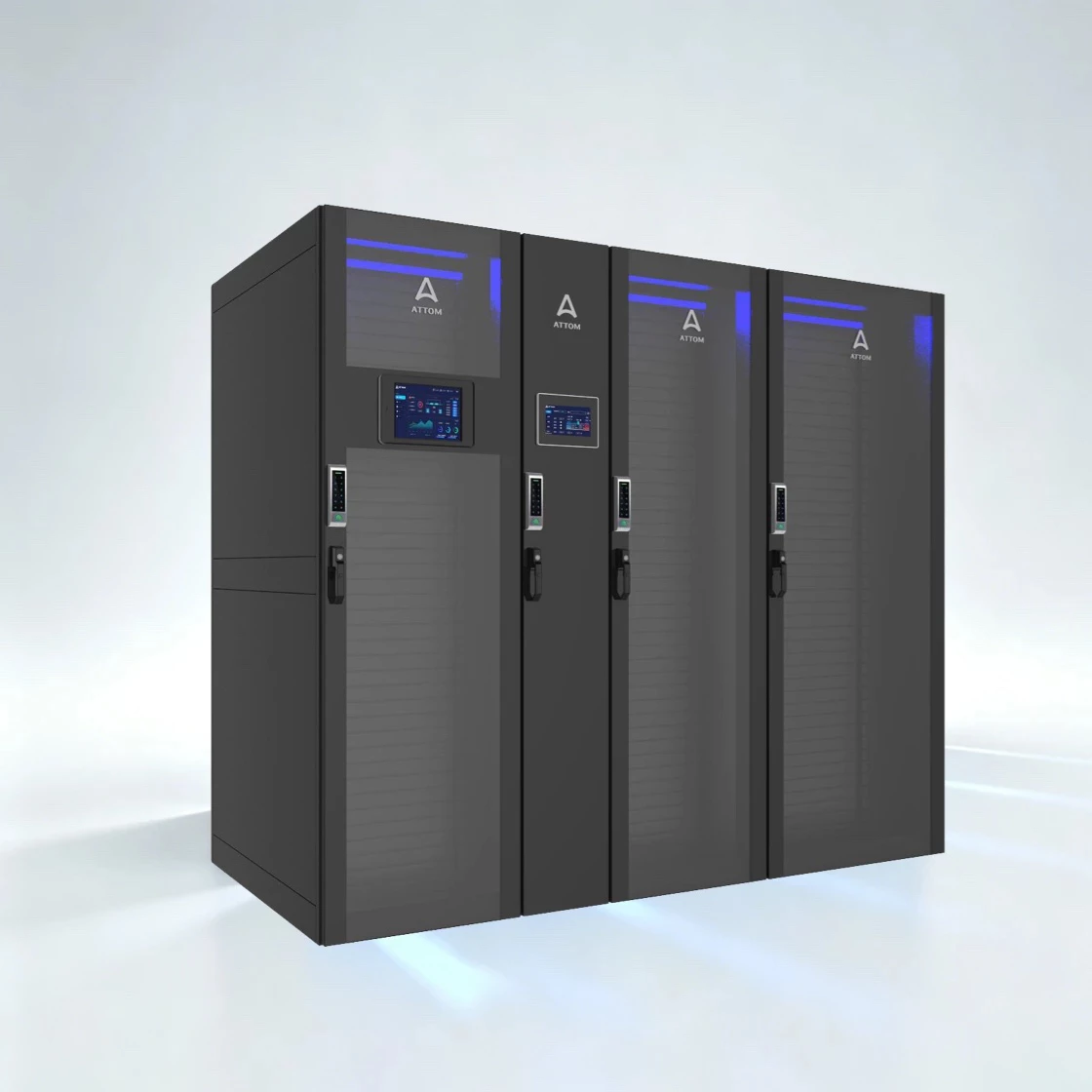
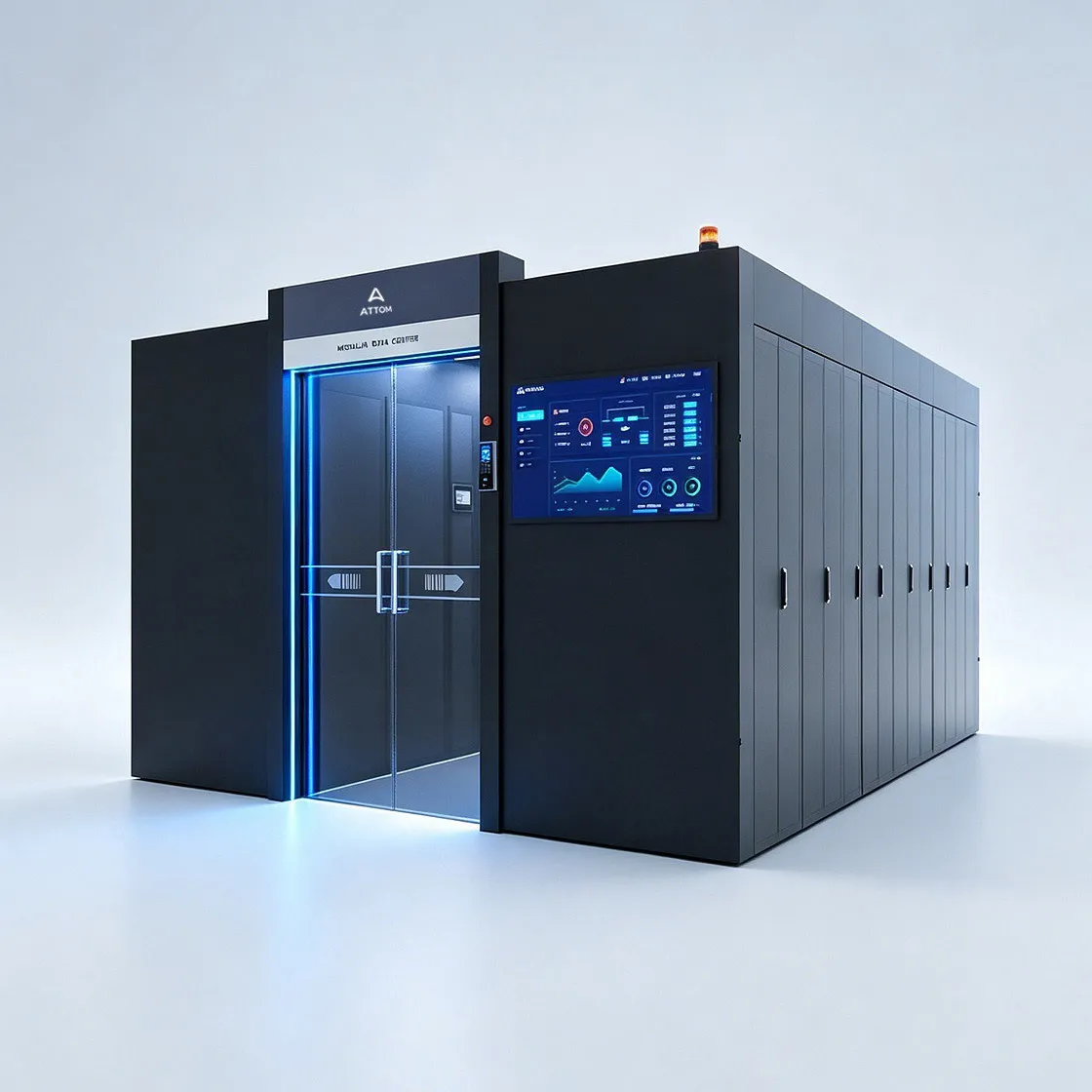
ATTOM provides infrastructure solutions for high-density AI computing environments, including AI modular data centers, liquid cooling, precision cooling, critical power, and IT rack systems.
Explore ATTOM’s AI Infrastructure Solutions for infrastructure designed to support demanding AI workloads.