Definition
Power Density refers to the amount of electrical power consumed or delivered within a specific physical area, typically measured in kilowatts per rack (kW/rack) or watts per square meter.
In data centers, power density is a key factor in determining infrastructure design, cooling requirements, and computing capacity.
Why It Matters
The rise of AI workloads has significantly increased data center power density.
Modern AI servers equipped with GPUs require much more power compared with traditional enterprise servers.
Higher power density creates challenges including:
- Increased heat generation
- Greater cooling requirements
- More complex power distribution
- Infrastructure optimization needs
Key Technologies
Supporting higher power density requires:
Advanced Cooling
Including:
- Liquid Cooling
- Direct-to-Chip Cooling
- Immersion Cooling
High-Capacity Power Systems
Including:
- UPS systems
- PDUs
- Power distribution infrastructure
Modular Infrastructure
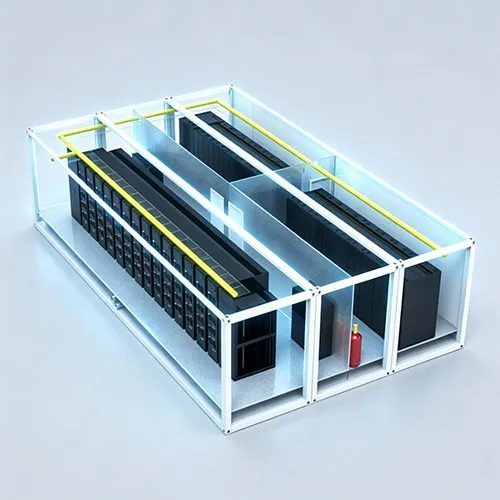
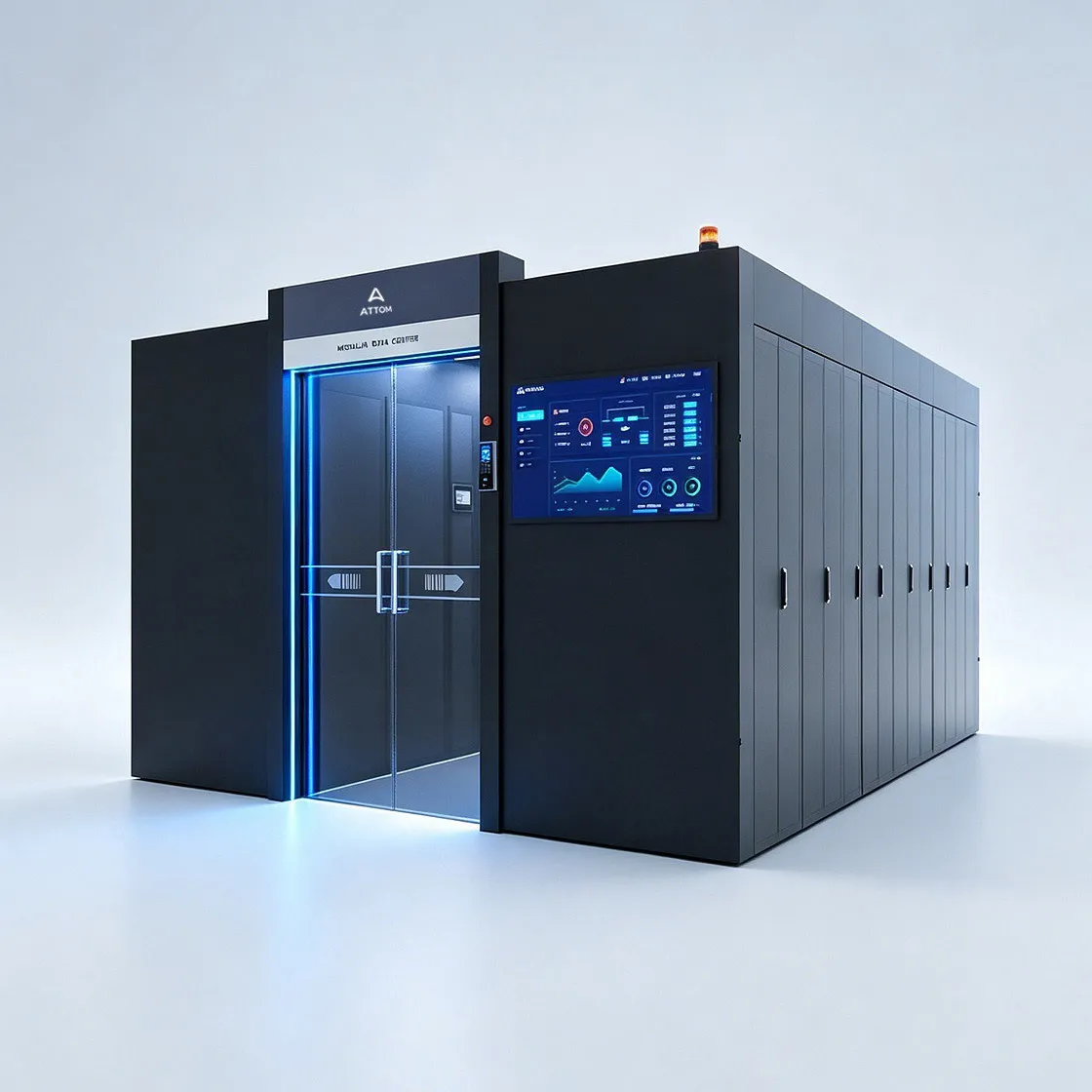
Modular data centers allow organizations to design infrastructure optimized for specific power requirements.
Applications
High power density environments are common in:
- AI data centers
- GPU clusters
- High-performance computing facilities
- Cloud infrastructure
Related Terms
Related ATTOM Solutions
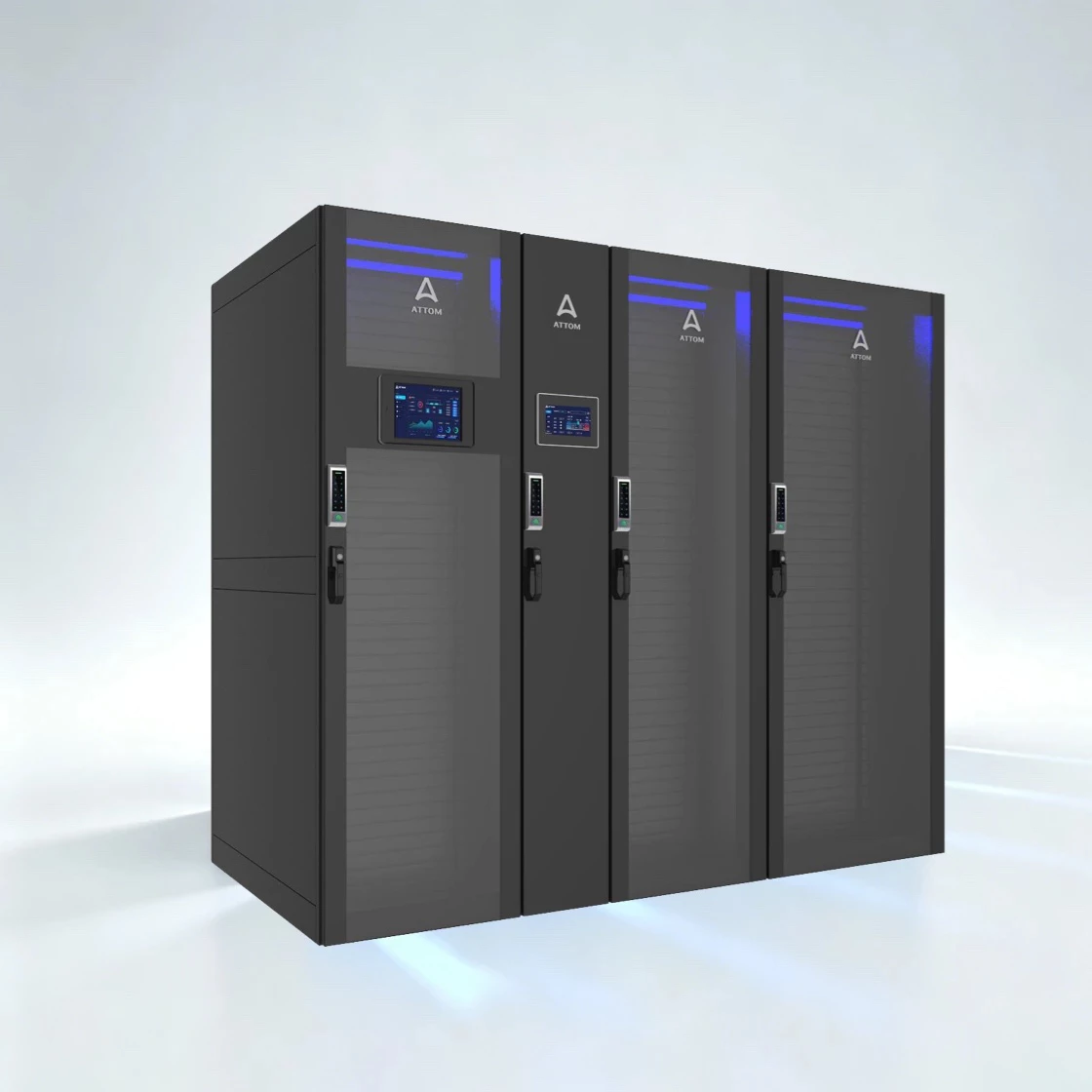
ATTOM develops AI-ready modular infrastructure designed to support high-density computing environments with optimized power and cooling systems.