Definition
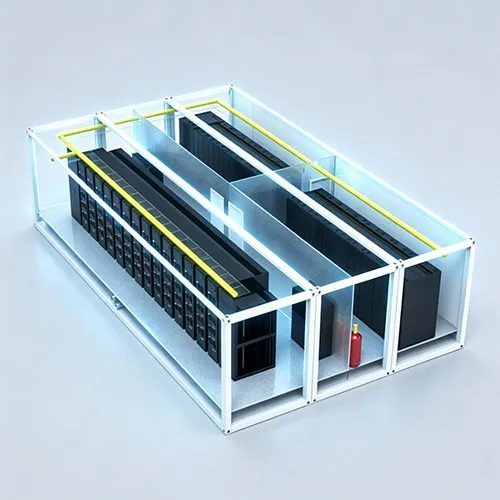
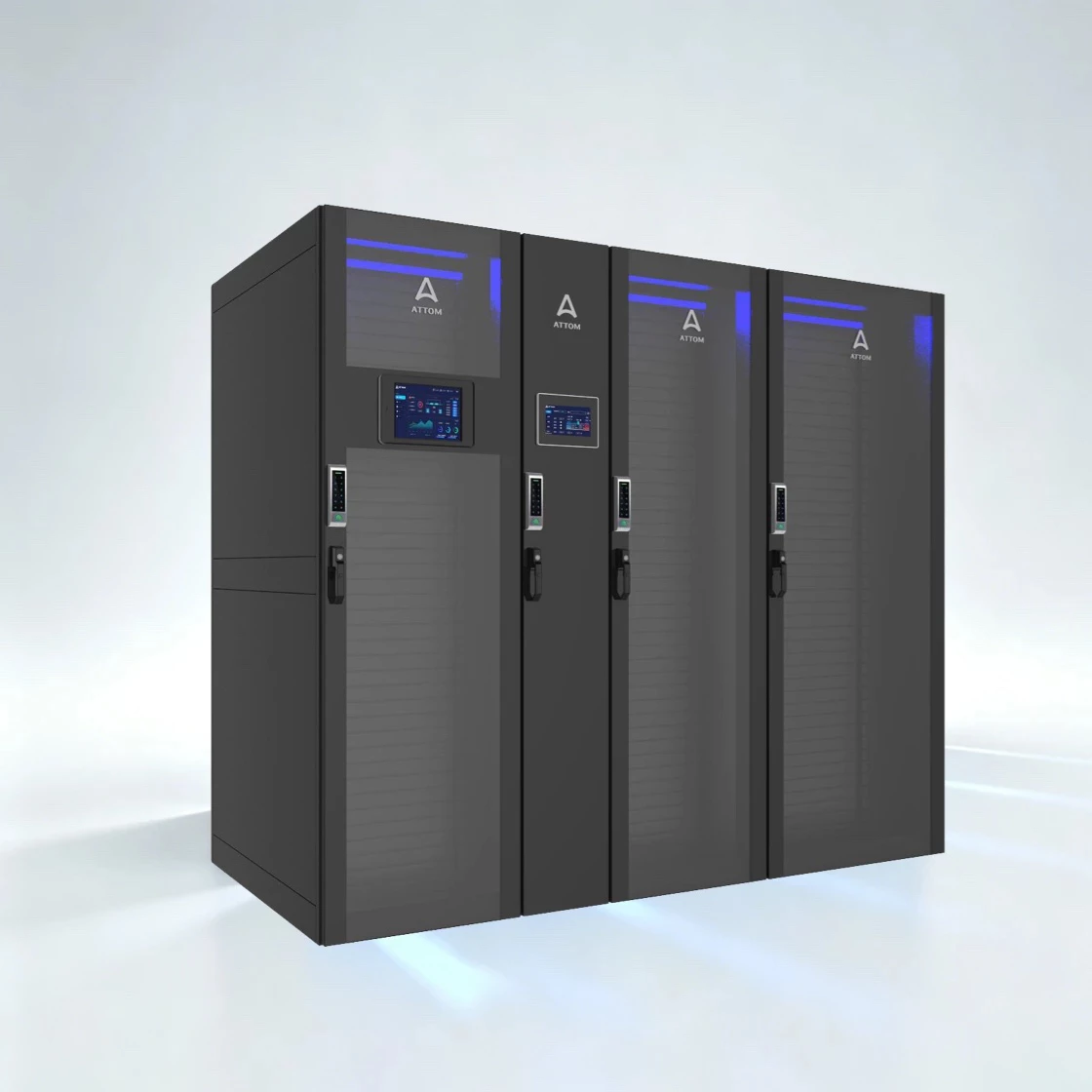
An AI Rack is a data center rack designed to accommodate AI servers, GPUs, accelerators, and other high-performance computing equipment with higher computing, power, and thermal requirements than conventional server racks.
AI racks typically integrate high-capacity power distribution, advanced cooling, network connectivity, and rack-level infrastructure to support the high power density generated by AI workloads.
An AI rack is therefore more than a physical enclosure for servers. It is an integrated infrastructure platform for deploying high-density AI computing equipment.
Key Characteristics of an AI Rack
AI racks typically differ from conventional server racks in several areas:
- Higher Rack Power Density — AI servers and GPUs can require substantially more power than conventional enterprise servers.
- Advanced Cooling — High-density AI equipment may require liquid cooling, rear door heat exchangers, or other enhanced thermal management technologies.
- High-Capacity Power Distribution — AI racks require power distribution systems capable of supporting higher rack loads.
- High-Speed Networking — AI clusters require high-bandwidth, low-latency connections between GPUs, servers, and network infrastructure.
- Rack-Level Monitoring — Power, temperature, cooling, and environmental conditions may require closer monitoring and management.
The exact configuration depends on the AI server platform, rack power requirements, cooling architecture, and data center infrastructure.
AI Rack and High-Density Computing
AI workloads can concentrate substantial computing capacity within a relatively small physical footprint. This increases both the electrical load and heat generated at the rack level.
As rack power density increases, conventional air cooling may become increasingly difficult to scale efficiently. AI racks may therefore incorporate technologies such as:
- Direct-to-chip liquid cooling
- Rear door heat exchangers (RDHx)
- Hybrid air and liquid cooling
- High-capacity power distribution
- Advanced airflow management
Cooling and power infrastructure should be considered together because higher rack power directly translates into higher heat generation.
AI Rack vs. Conventional Server Rack
| Feature | AI Rack | Conventional Server Rack |
|---|---|---|
| Typical Workload | AI, GPU, HPC | Enterprise and general-purpose IT |
| Computing Density | High | Low to medium |
| Rack Power Density | Typically higher | Typically lower |
| Cooling Requirements | May require liquid or enhanced cooling | Often primarily air cooled |
| Power Infrastructure | High-capacity distribution | Standard rack power distribution |
| Networking | High-bandwidth cluster connectivity | General-purpose network connectivity |
The distinction is primarily based on the computing and infrastructure requirements of the equipment deployed in the rack, rather than the rack enclosure itself.
AI Racks in Data Centers
AI racks are commonly deployed in AI data centers, GPU clusters, high-performance computing environments, and other high-density computing facilities.
Multiple AI racks are typically connected into larger compute clusters. Their power, cooling, networking, and monitoring systems must therefore be designed to operate as part of the broader data center infrastructure.
As AI infrastructure continues to evolve, rack-level design is becoming increasingly important for supporting higher compute density and scalable deployment.
Related Terms
- AI Data Center
- AI Infrastructure
- GPU Data Center
- High-Density Computing
- Rack Power Density
- Liquid Cooling
- Direct-to-Chip Cooling
- Rear Door Heat Exchanger (RDHx)
- Rack Cooling
- Rack PDU
Related ATTOM Solutions
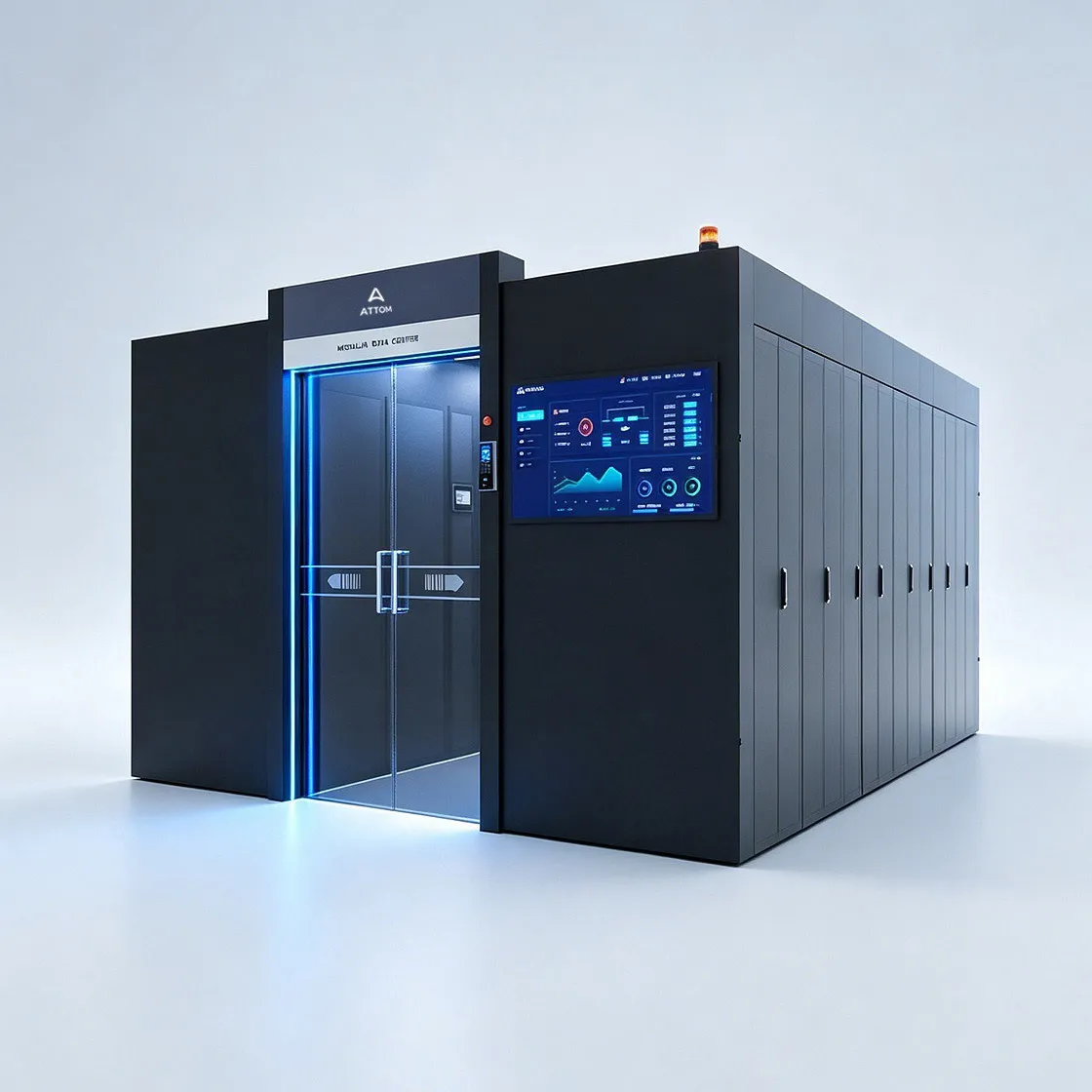
ATTOM provides AI rack and high-density data center infrastructure solutions integrating rack systems, power distribution, cooling, and deployment infrastructure for AI and GPU computing environments.
Explore ATTOM’s AI Prefab Data Center and Data Center Rack Solutions for high-density AI deployments.