AI Infrastructure
Definition
AI Infrastructure refers to the hardware, software, networking, and physical infrastructure required to develop, train, deploy, and operate artificial intelligence workloads.
Compared with traditional IT infrastructure, AI infrastructure is designed for workloads that require accelerated computing, high data throughput, low-latency networking, high power density, and advanced thermal management.
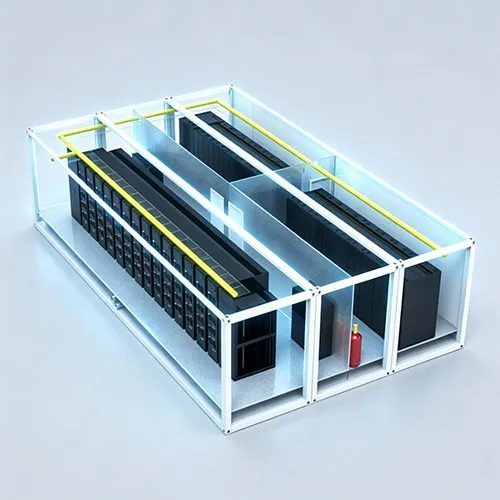
In data center environments, AI infrastructure commonly includes GPU-based computing systems, high-density racks, high-performance networking, scalable power systems, advanced cooling, storage, and infrastructure management technologies.
Key Components
AI infrastructure typically includes several interconnected layers:
AI Computing
- GPUs and other AI accelerators
- High-performance servers
- AI computing clusters
- High-speed memory and storage
Networking and Data
- High-bandwidth, low-latency networking
- GPU-to-GPU and server-to-server interconnects
- High-performance storage
- Data pipelines and data management systems
Power and Cooling
AI workloads can create substantially higher power and thermal requirements than conventional enterprise computing. AI infrastructure may therefore require:
- High-density power distribution
- UPS and other critical power systems
- Liquid cooling or other advanced cooling technologies
- Thermal management and heat-rejection systems
Infrastructure Management
Monitoring, automation, and infrastructure management systems help operators maintain performance, availability, and efficiency across AI computing environments.
AI Infrastructure vs. AI Data Center
AI infrastructure is the broader concept covering the technologies and systems required to support AI workloads.
An AI data center is a physical facility specifically designed or operated to host AI infrastructure at scale.
In other words, an AI data center is one type of physical environment in which AI infrastructure is deployed. AI infrastructure can also exist across enterprise data centers, cloud environments, edge locations, and other computing platforms.
Why AI Infrastructure Matters
The growth of AI is increasing demand for computing performance, power capacity, cooling capability, networking bandwidth, and deployment flexibility.
For data center operators, AI infrastructure must therefore be designed not only around compute capacity but also around power density, thermal management, scalability, and future hardware requirements.
Related Terms
- AI Data Center
- AI Factory
- GPU Server
- High-Density Computing
- Liquid Cooling
- Direct-to-Chip Cooling
- Modular Data Center
- Edge Computing
- Large Language Model (LLM)
Related ATTOM Resource
What Is an AI Data Center? A Complete Guide to AI Infrastructure — a detailed guide to AI data center architecture, infrastructure requirements, power, cooling, and deployment considerations.
Related ATTOM Solutions
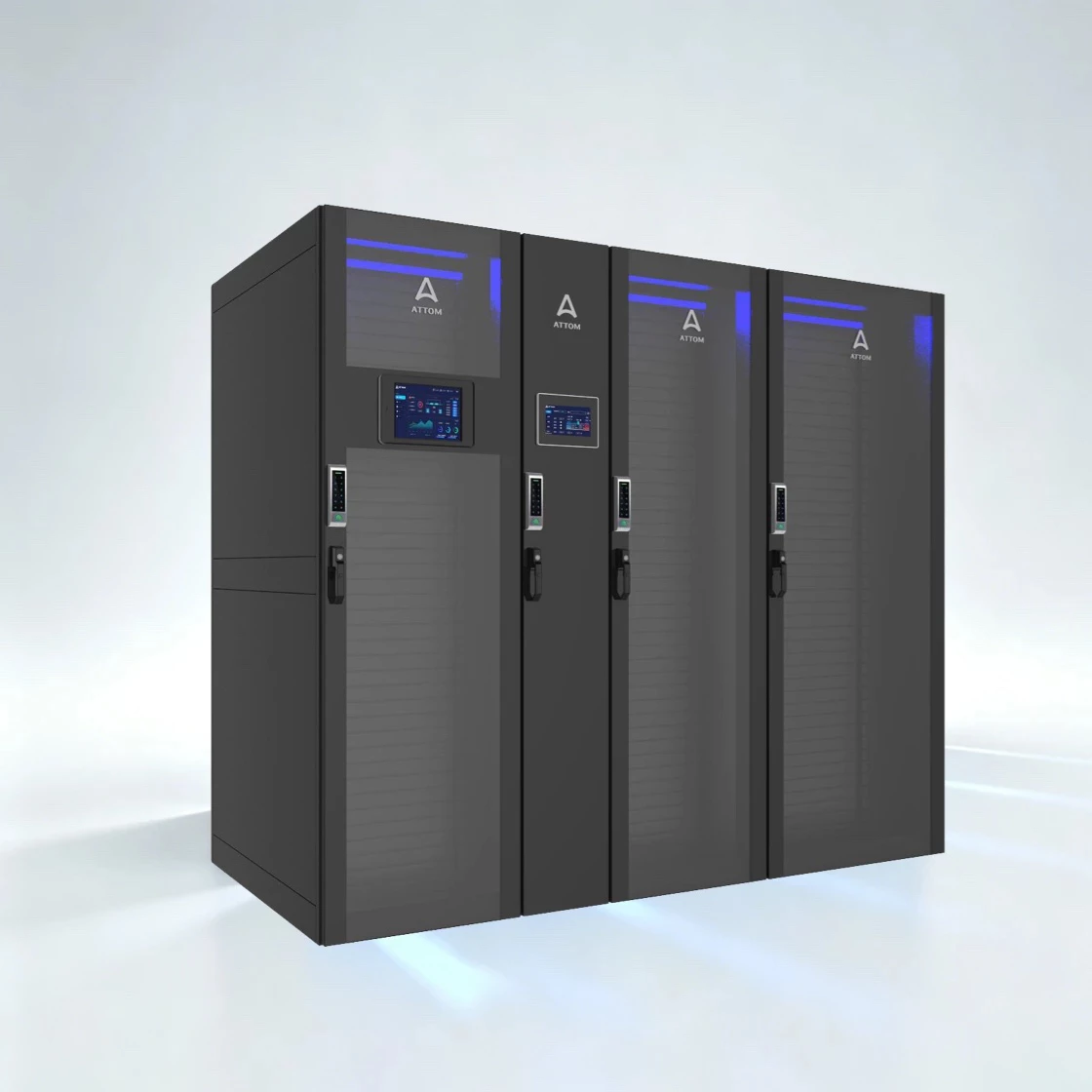
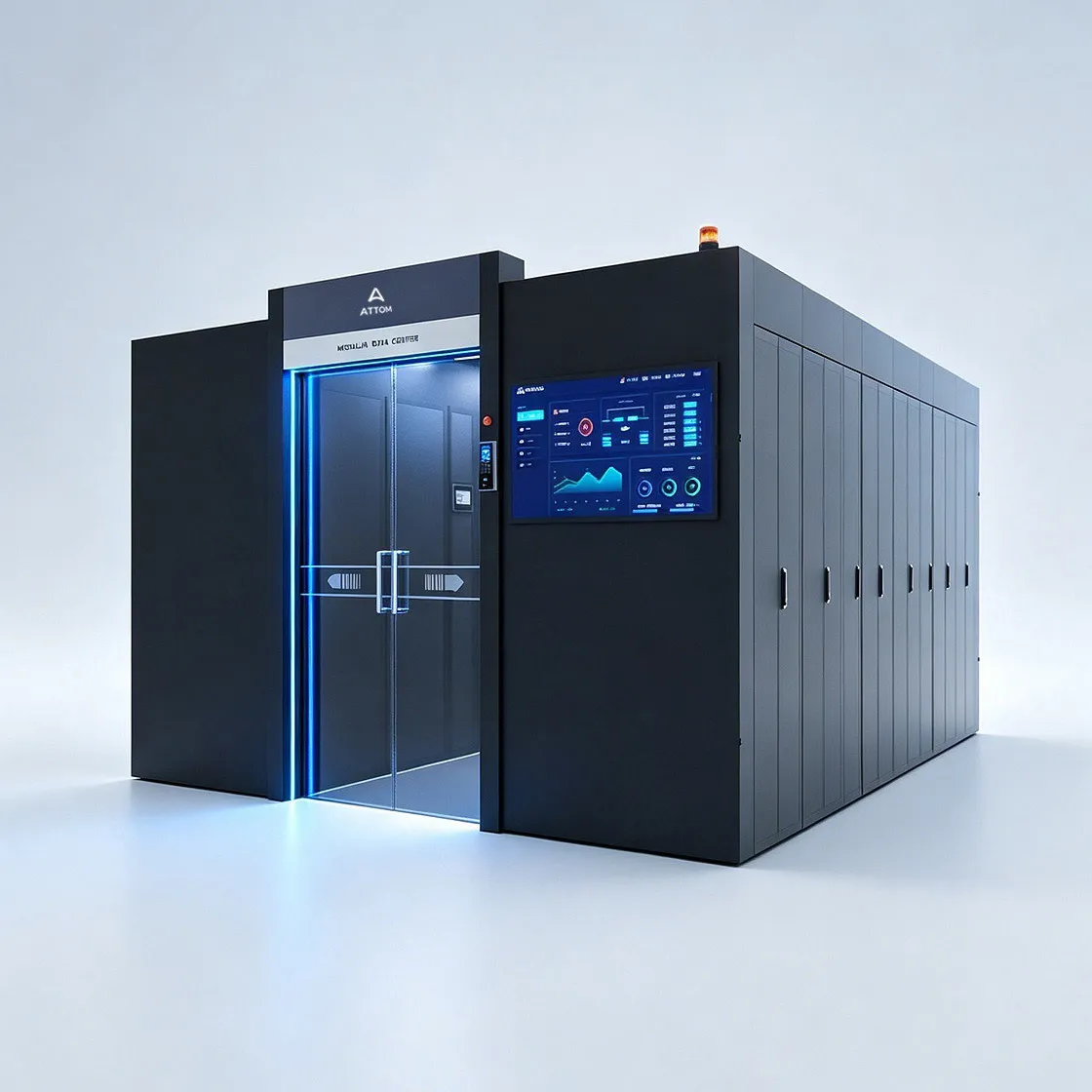
ATTOM provides infrastructure solutions for AI and high-density computing environments, including AI prefabricated modular data centers, liquid cooling, precision cooling, critical power, and IT rack systems.
Explore ATTOM’s AI Infrastructure Solutions to learn how these technologies can be integrated into high-density AI deployments.