Definition
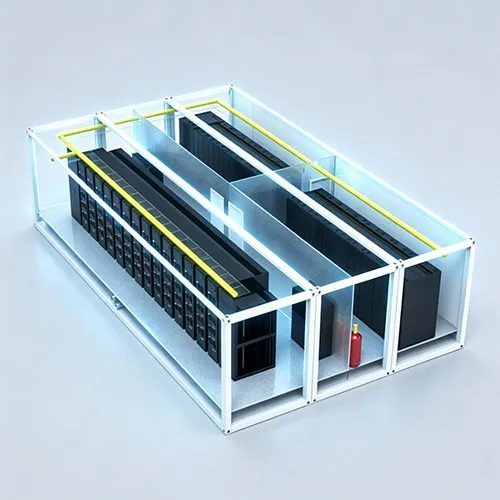
High-Density Computing refers to computing environments where a relatively large amount of processing capacity is concentrated within a limited physical space, resulting in higher power and heat density than conventional IT environments.
High-density computing is commonly associated with AI, GPU computing, high-performance computing (HPC), and other compute-intensive workloads.
The term is generally discussed in relation to server, rack, and data center power density rather than a single fixed rack-power threshold.
What Makes Computing High-Density?
High-density computing can result from:
- Large numbers of processors or accelerators in a rack
- High-power GPUs and CPUs
- Increased computing capacity per server
- Greater server concentration within a rack
- AI and HPC workloads with high computational requirements
As more processing capacity is concentrated into the same physical footprint, the associated electrical and thermal loads also increase.
High-Density Computing and Data Centers
Higher computing density affects several areas of data center infrastructure, including:
- Power Infrastructure — Higher rack loads require greater power delivery capacity.
- Thermal Management — More heat must be removed from a smaller physical area.
- Cooling Systems — Conventional air cooling may become insufficient at higher rack densities.
- Rack Design — Rack power distribution, cabling, and physical configuration become increasingly important.
- Facility Infrastructure — Power and cooling systems may need to support higher localized loads.
For this reason, high-density computing is an important consideration in modern data center design.
High-Density Computing and Cooling
As rack power density increases, removing heat efficiently becomes more challenging.
Conventional air cooling can support many high-density environments, but very high-density AI and HPC workloads may require additional technologies such as:
- Direct-to-chip liquid cooling
- Rear door heat exchangers (RDHx)
- Immersion cooling
- Hybrid air and liquid cooling
The appropriate approach depends on rack power density, IT equipment design, facility infrastructure, and operating requirements.
High-Density Computing and AI
AI workloads are a major driver of high-density computing because GPUs and other accelerators can deliver substantial processing capacity within compact server and rack configurations.
This concentration of compute increases the demand for:
- High-capacity power distribution
- Advanced thermal management
- High-density cooling
- Rack-level monitoring
- Scalable data center infrastructure
High-density computing therefore represents not only a computing trend, but also an important infrastructure consideration for AI data centers.
Related Terms
- AI Data Center
- High-Performance Computing (HPC)
- GPU Data Center
- Rack Power Density
- Thermal Management
- Liquid Cooling
- Direct-to-Chip Cooling
- Rear Door Heat Exchanger (RDHx)
- Data Center Infrastructure
Related ATTOM Solutions
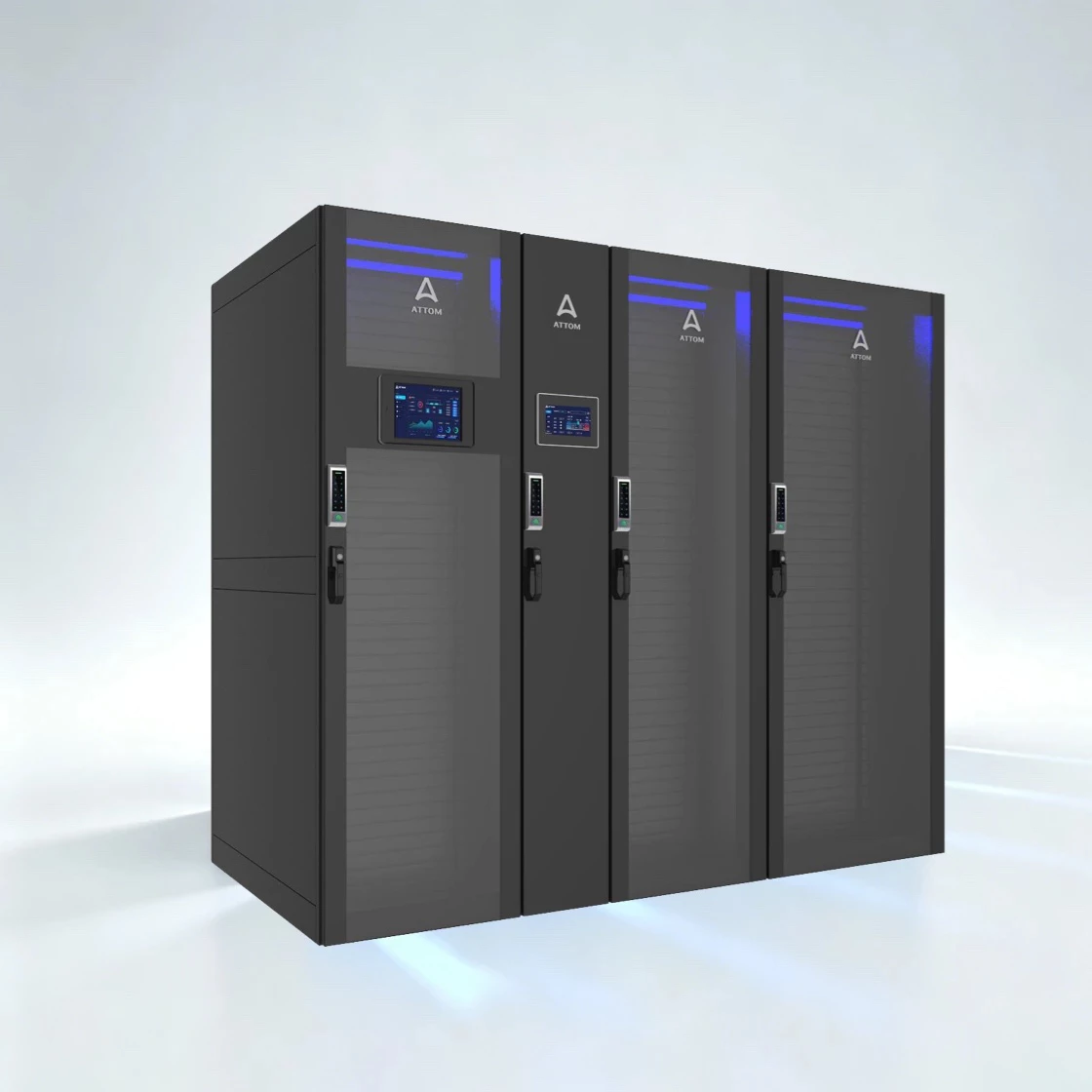
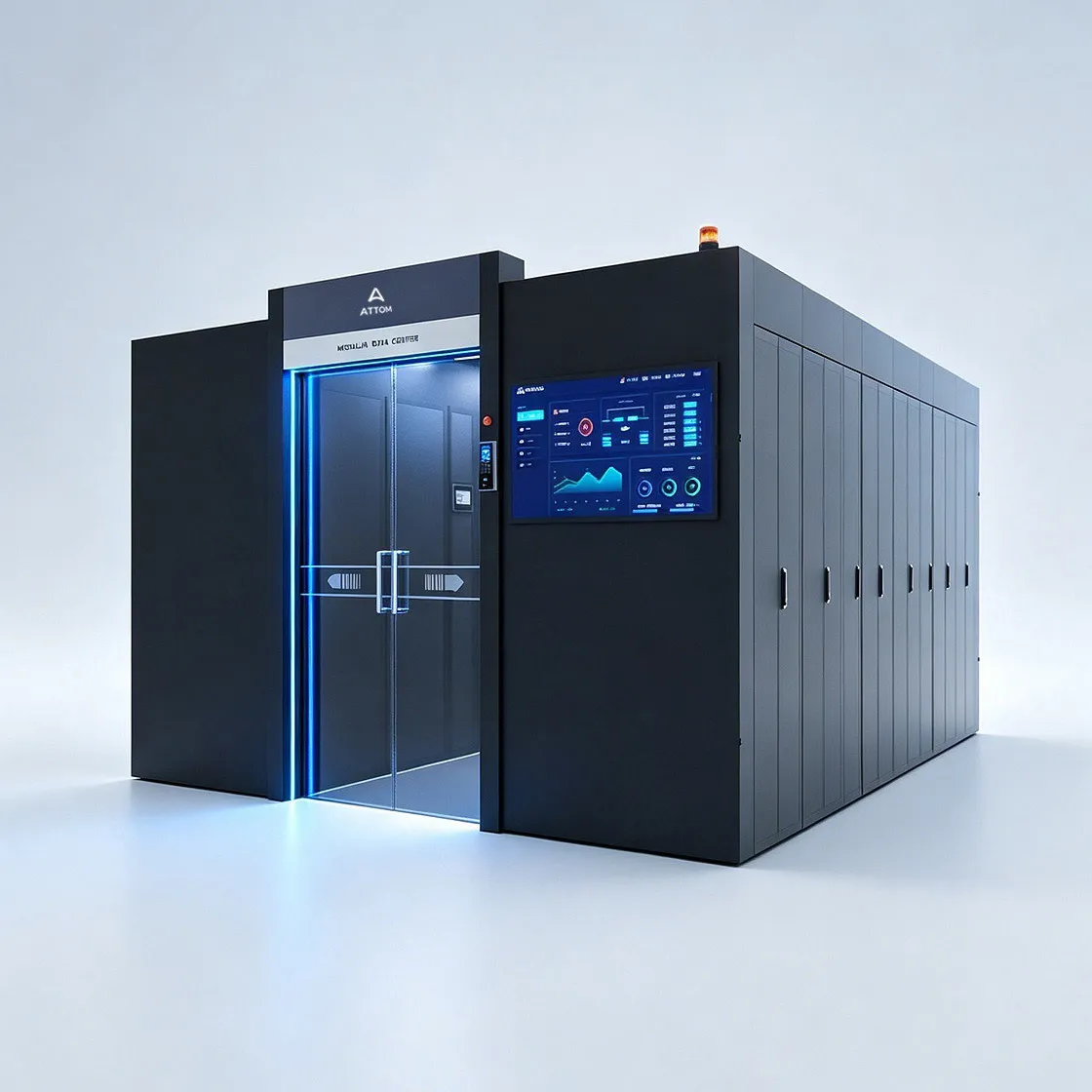
ATTOM provides power, cooling, and data center infrastructure solutions designed for conventional and high-density computing environments.
Explore ATTOM’s AI-ready modular infrastructure, Liquid Cooling, and Critical Power solutions for high-density AI and computing deployments.