Definition
AI Training is the computational process of teaching an artificial intelligence model to recognize patterns, learn relationships, and perform specific tasks by processing training data.
During training, an AI model processes large amounts of data and adjusts its internal parameters based on the difference between its outputs and the desired results. Through repeated optimization, the model learns representations and patterns that can later be used to generate predictions, decisions, or other outputs.
Modern AI training can involve extremely large datasets and distributed computing systems with GPUs or other AI accelerators, high-speed networking, high-performance storage, and specialized software.
AI Training vs. AI Inference
AI training is the model development stage in which a model learns from data and its parameters are optimized.
AI inference is the deployment stage in which a trained model processes new inputs and generates outputs.
In general, large-scale AI training requires substantial compute capacity and tightly interconnected accelerators because model parameters and training data must be processed across many computing systems.
Types of AI Training
AI training can include several stages depending on the model and development process:
- Pre-training — trains a model on large and diverse datasets to develop general capabilities and representations.
- Fine-tuning — further trains a model on a more focused dataset to adapt it to a specific task, domain, or application.
- Post-training — applies additional techniques to improve model behavior, instruction following, reasoning, safety, or other targeted capabilities.
The specific training methods and workflows vary by model architecture, dataset, and application requirements.
AI Training Infrastructure
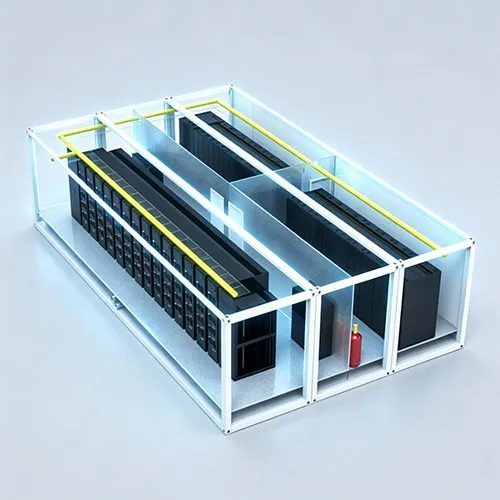
Large-scale AI training places significant demands on computing and data center infrastructure. A typical training environment may require:
- High-performance GPUs or other AI accelerators
- High-bandwidth, low-latency networking
- High-performance storage and data systems
- High-density power distribution
- Advanced cooling and thermal management
- Software for distributed training and workload orchestration
Training clusters often require high-speed interconnects because accelerators must exchange data efficiently during distributed training. Large-scale AI training can therefore influence not only compute capacity but also rack power density, networking architecture, cooling requirements, and overall data center design.
Why AI Training Matters
AI training is the foundation for developing modern machine learning and generative AI models. The scale of training workloads has increased significantly as models become larger and datasets grow, creating demand for increasingly capable and efficient AI infrastructure.
For data center operators, AI training is particularly important because sustained high-performance computing can create substantial requirements for power, cooling, networking, and physical space.
Related Terms
- AI Infrastructure
- AI Data Center
- AI Factory
- AI Accelerator
- AI Inference
- GPU Data Center
- High-Density Computing
- Liquid Cooling
- Direct-to-Chip Cooling
- High-Performance Computing
Related ATTOM Solutions
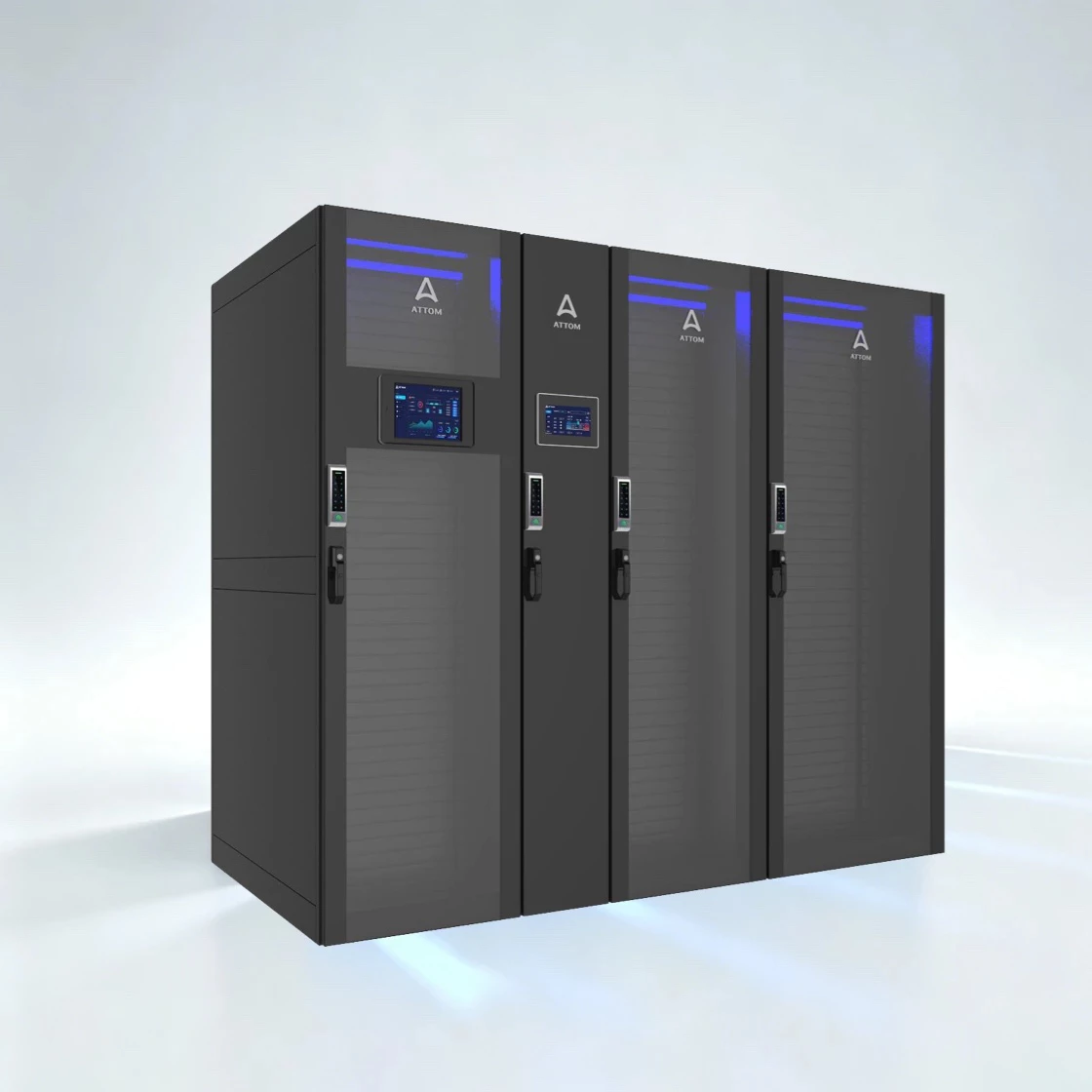
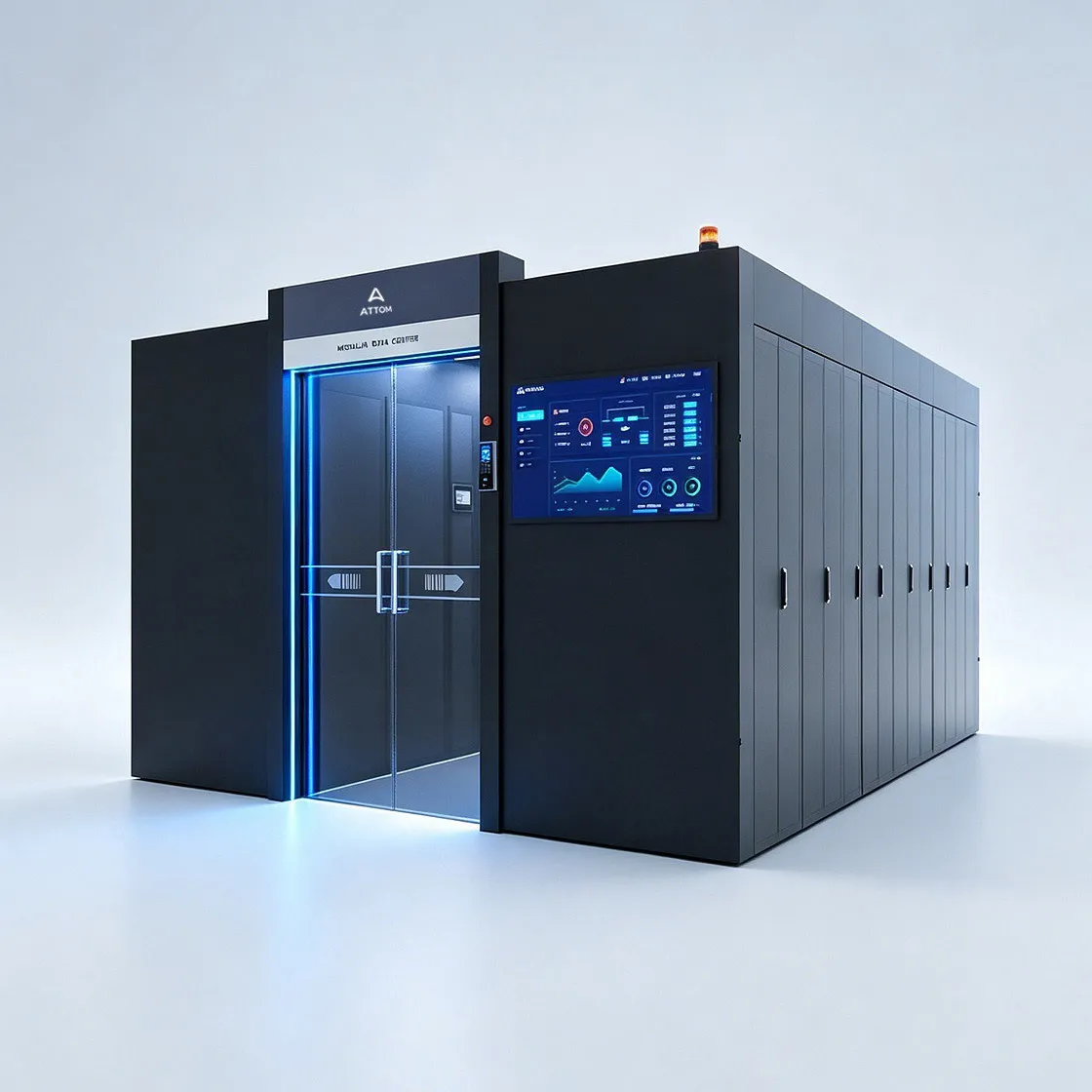
ATTOM provides infrastructure solutions for high-density AI computing environments, including AI modular data centers, liquid cooling, precision cooling, critical power, and IT rack systems.
Explore ATTOM’s AI Infrastructure Solutions for infrastructure designed to support demanding AI training and inference workloads.