High-Performance Computing (HPC)
High-Performance Computing (HPC) refers to the use of powerful computing systems and parallel processing techniques to solve complex, data-intensive problems that exceed the capabilities of conventional computers. HPC systems typically combine large numbers of processors, high-speed interconnects, substantial memory, and specialized accelerators to deliver extreme computational performance.
Common applications of HPC include scientific simulations, climate and weather modeling, computational fluid dynamics, genomic analysis, financial risk modeling, oil and gas exploration, and large-scale artificial intelligence training.
Key characteristics of modern HPC environments
- Massive parallelism — workloads are distributed across thousands of CPU cores, GPU Servers, or AI Accelerators working in parallel.
- High power density — racks frequently exceed 50–100 kW, creating significant thermal challenges.
- Low-latency,high-bandwidth networking — specialized interconnects (such as InfiniBand or high-speed Ethernet) are essential for efficient node-to-node communication.
- Advanced cooling requirements — traditional air cooling is often insufficient, driving adoption of Direct-to-Chip Liquid Cooling and Immersion Cooling.
HPC and AI workloads increasingly converge, with many modern HPC clusters relying heavily on GPU acceleration. This convergence places greater emphasis on energy-efficient infrastructure, precise thermal management, and rapid deployment of high-density capacity.
HPC and ATTOM
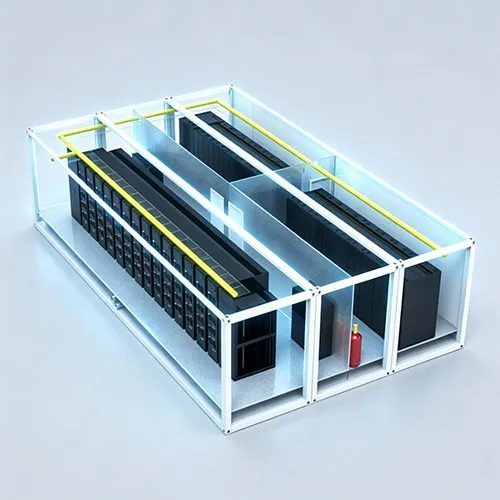
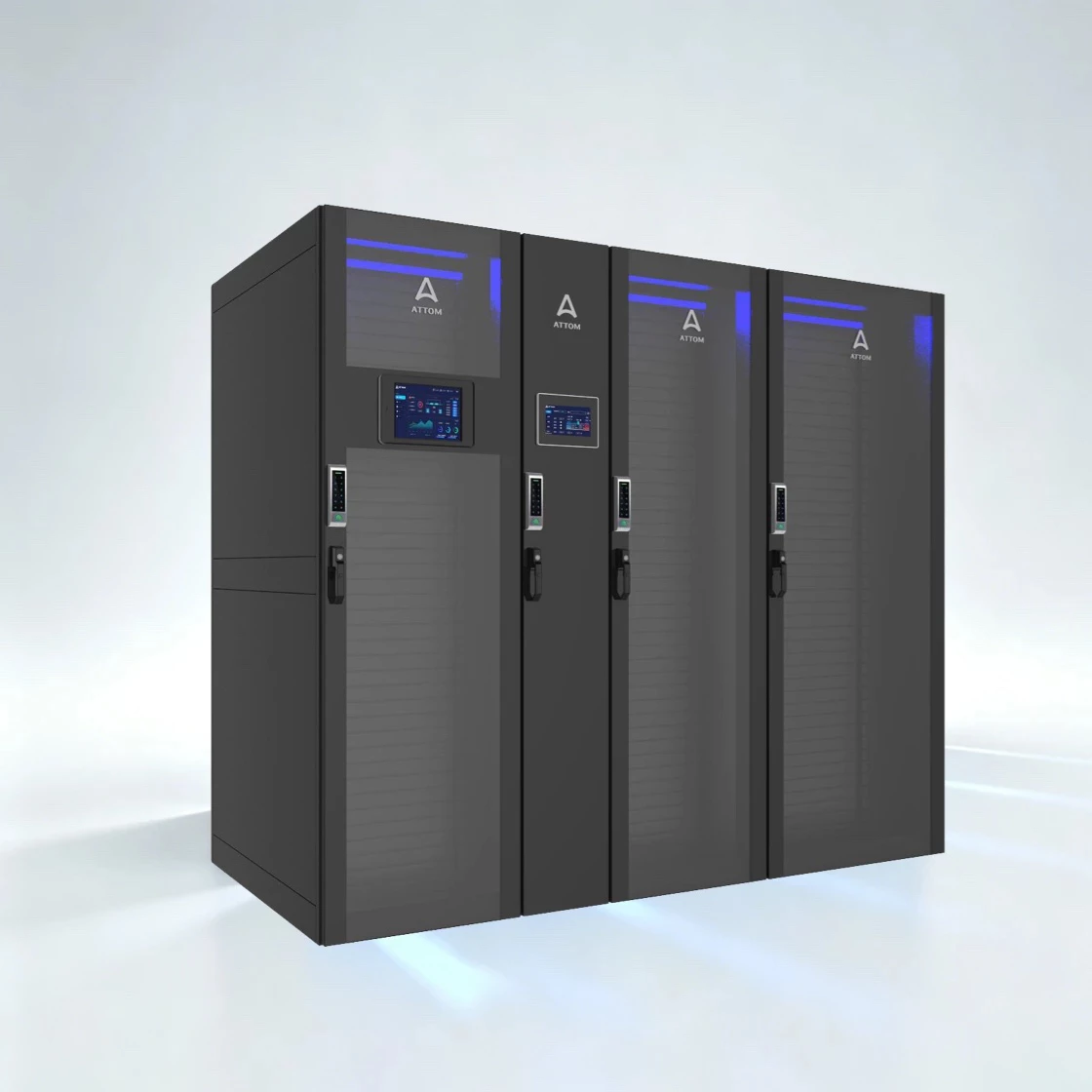
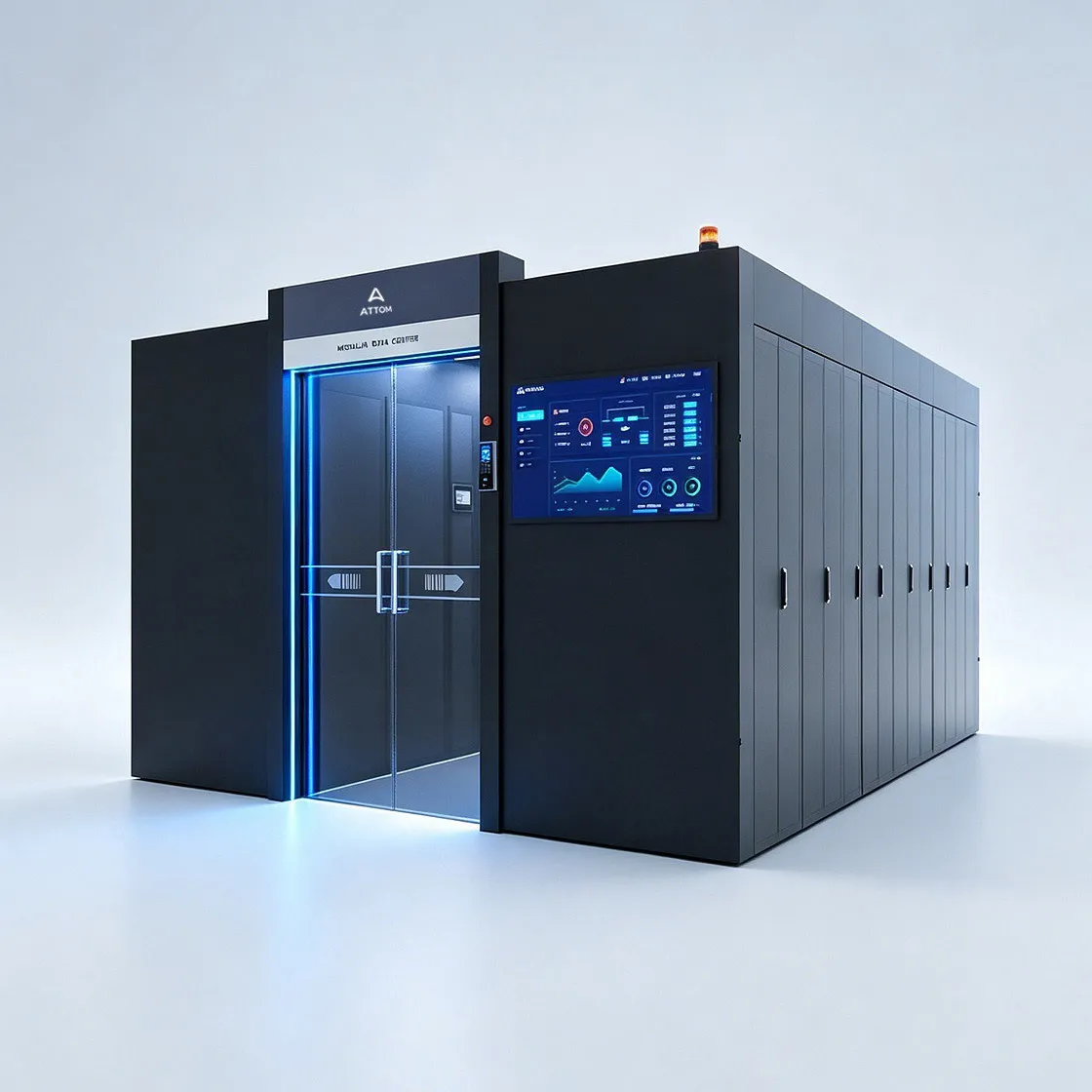
Attom Technology’s AgileCore AI prefabricated modular data centers and liquid cooling platforms (ByteCool D2C and OceanCool immersion) are engineered to support the extreme power and cooling demands of HPC environments. These solutions help operators achieve higher compute density, lower PUE, and faster time-to-deployment for both traditional HPC and AI-driven workloads.