Definition
An AI Accelerator is a specialized processor or hardware component designed to accelerate artificial intelligence and machine learning workloads.
AI accelerators are optimized for the high-volume parallel computations commonly used in AI models, including matrix and tensor operations. Compared with general-purpose CPUs, they can provide higher AI compute throughput, lower latency, and improved performance per unit of power for supported workloads.
AI accelerators are used in data centers, cloud infrastructure, edge systems, PCs, smartphones, and other computing environments.
Types of AI Accelerators
Common types of AI accelerators include:
- GPUs (Graphics Processing Units) — highly parallel processors widely used for AI training and inference.
- TPUs (Tensor Processing Units) — purpose-built processors optimized for tensor operations and AI workloads.
- NPUs (Neural Processing Units) — processors designed specifically for neural network and AI workloads, particularly in edge and client devices.
- ASICs (Application-Specific Integrated Circuits) — custom-designed chips optimized for specific AI workloads.
- FPGAs (Field-Programmable Gate Arrays) — reconfigurable hardware that can be optimized for particular AI applications.
The boundaries between these categories can overlap. For example, a TPU is an ASIC designed for machine learning, while GPUs are general-purpose parallel processors that have become widely used as AI accelerators.
AI Accelerator vs. GPU
An AI accelerator is a broad category of hardware used to speed up AI workloads. A GPU is one type of AI accelerator.
GPUs are widely adopted for AI because their highly parallel architecture is well suited to the computational patterns of modern machine learning. Other accelerator architectures can be optimized for specific workloads, power requirements, deployment environments, or performance targets.
Role in AI Infrastructure
AI accelerators are the primary compute engines in many modern AI systems. In data centers, large numbers of accelerators can be connected into high-performance clusters to support model training, inference, and other compute-intensive AI workloads.
Their requirements also influence data center infrastructure, including power delivery, rack density, networking, memory bandwidth, and cooling capacity.
Related Terms
- AI Infrastructure
- AI Data Center
- AI Factory
- GPU Data Center
- GPU Server
- Liquid Cooling
- High-Density Computing
Related ATTOM Solutions
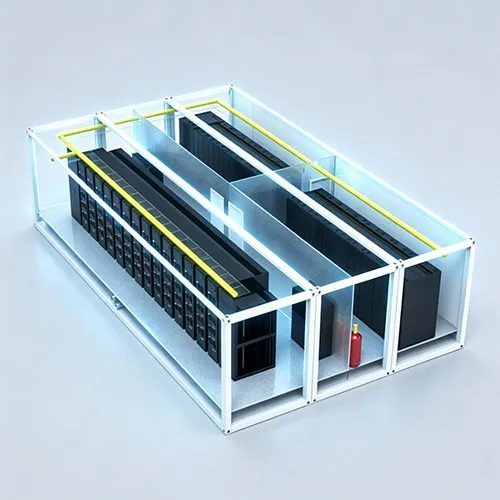
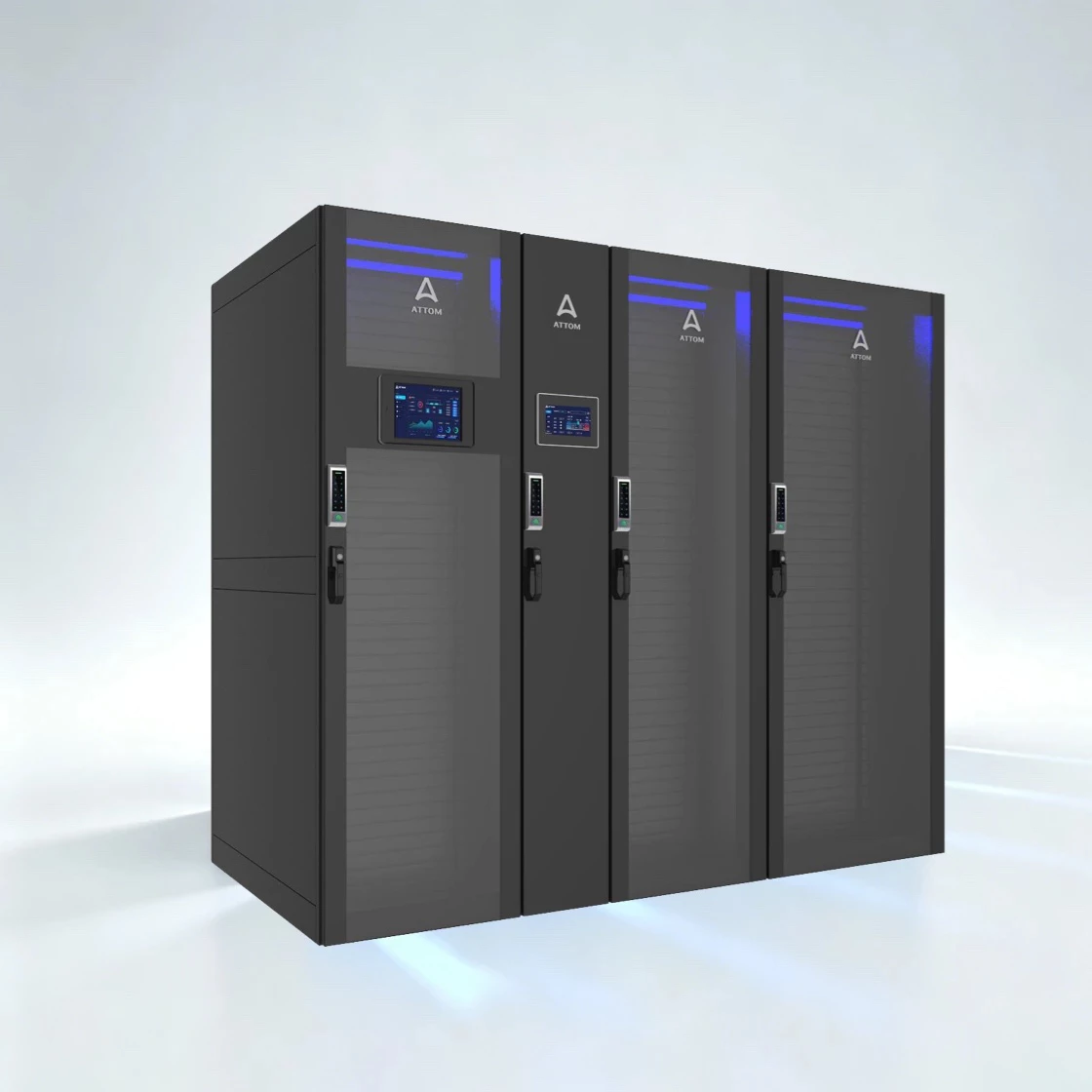
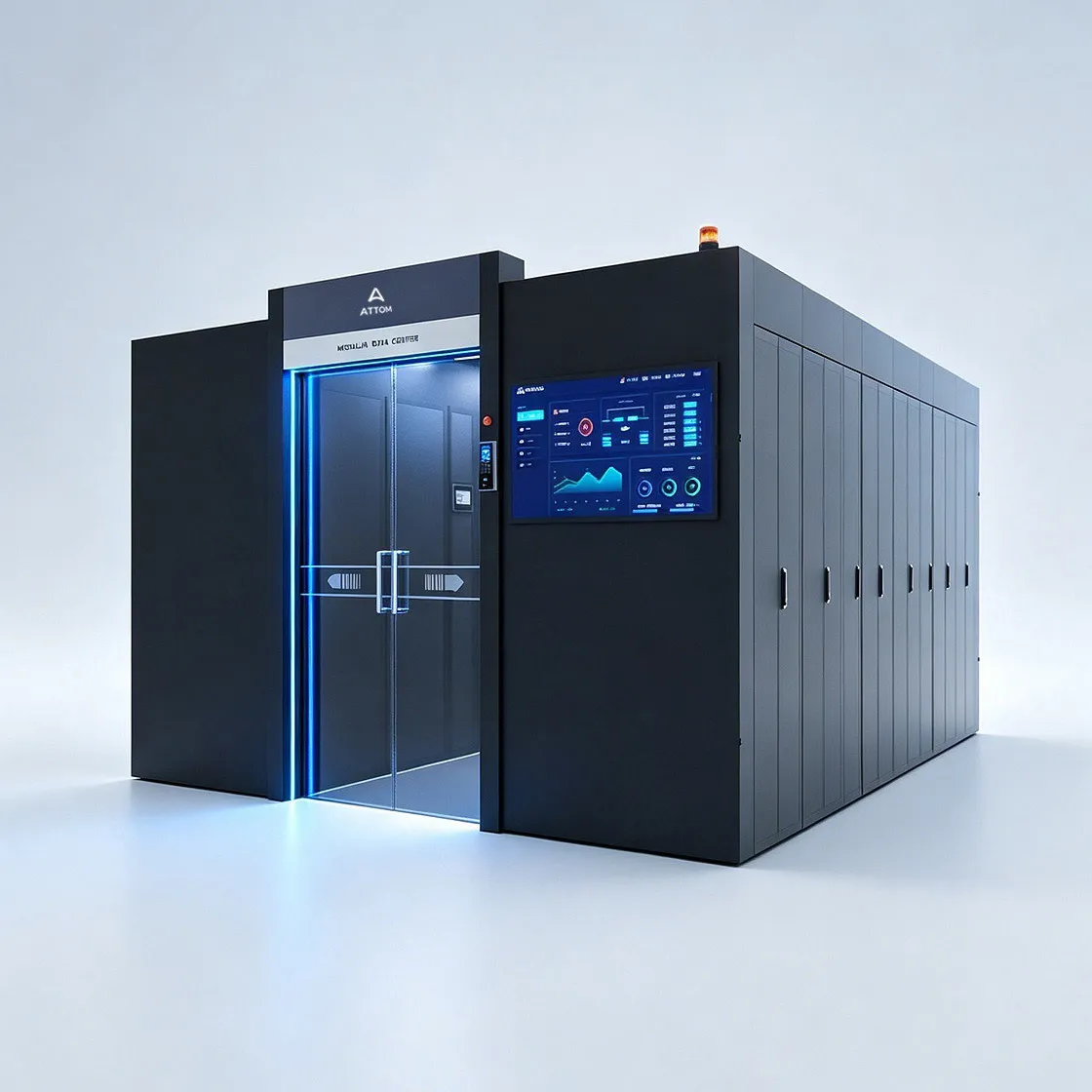
ATTOM provides infrastructure solutions designed to support high-density AI computing environments, including AI modular data centers, liquid cooling, precision cooling, critical power, and IT rack systems.
Explore ATTOM’s AI Infrastructure Solutions for high-density AI deployments.