Definition
Rack Cooling refers to cooling technologies and strategies designed to remove heat generated by IT equipment installed within server racks.
As rack power density increases, effective rack-level cooling becomes essential for maintaining equipment reliability and performance.
Rack Cooling Technologies
Common rack cooling approaches include:
- Air Cooling
- Rear Door Heat Exchanger (RDHx)
- Liquid Cooling
- Direct-to-Chip Cooling
- Immersion Cooling
Rack Cooling for AI Infrastructure
AI servers and GPU clusters generate significantly higher heat loads compared with traditional IT equipment.
Advanced rack cooling solutions help support:
- High-density computing
- AI data centers
- HPC environments
- Increased rack power density
Related Terms
- Liquid Cooling
- Thermal Management
- High-Density Computing
- AI Data Center
- Direct-to-Chip Cooling
- Rear Door Heat Exchanger
ATTOM Rack System Solutions
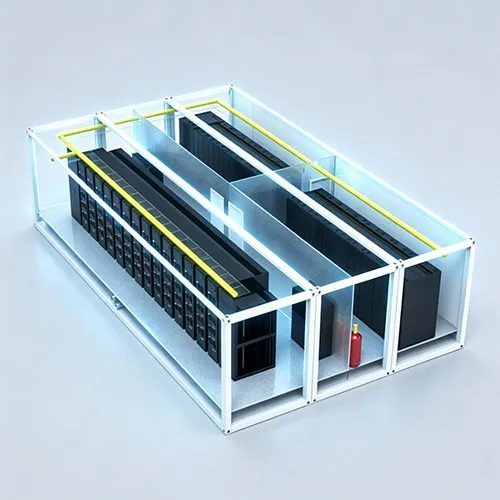
Rack units provide a standardized way to organize and deploy IT equipment within data center cabinets. As modern computing environments require higher equipment density and more flexible deployment, reliable rack systems become essential for supporting servers, networking devices, power distribution, and cooling infrastructure.
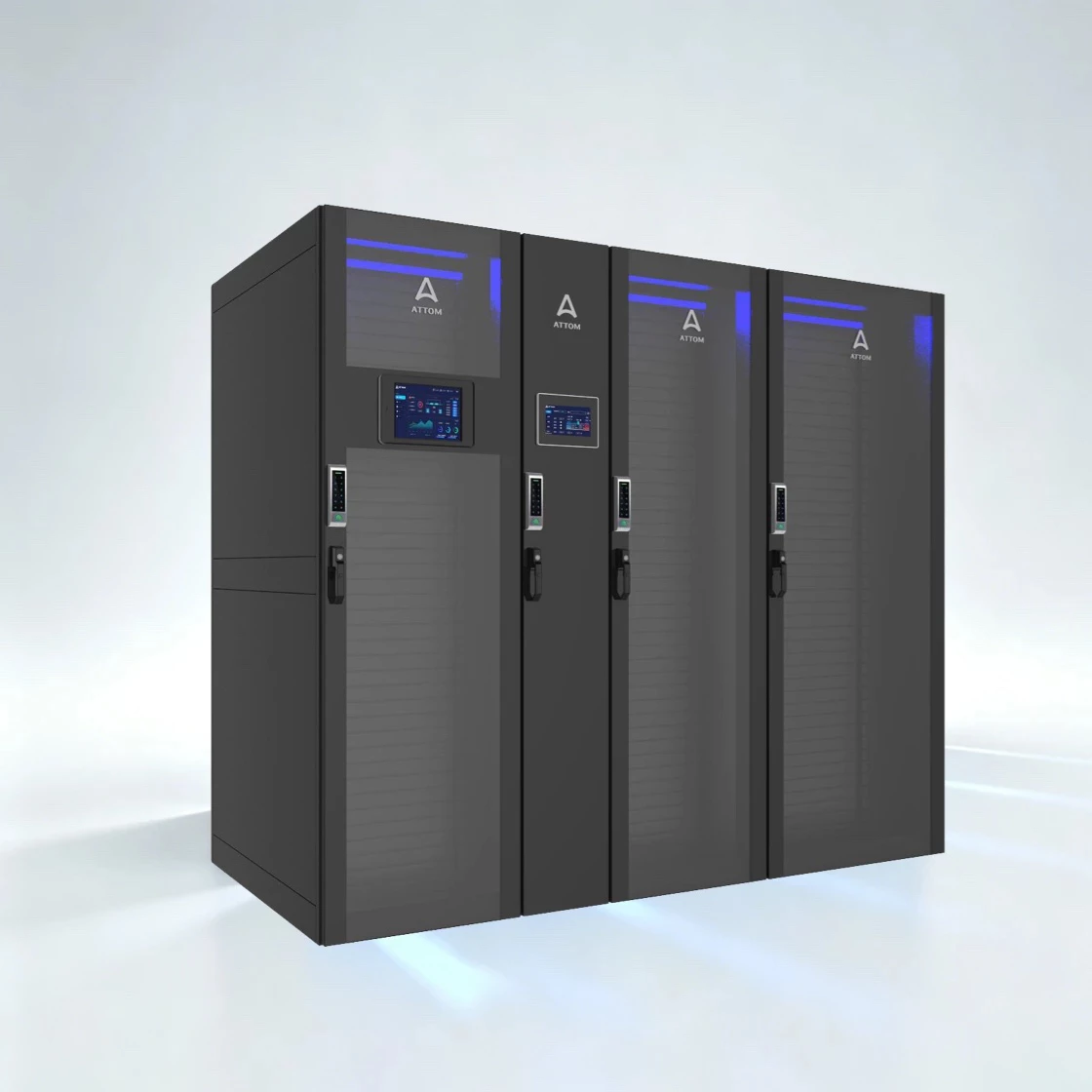
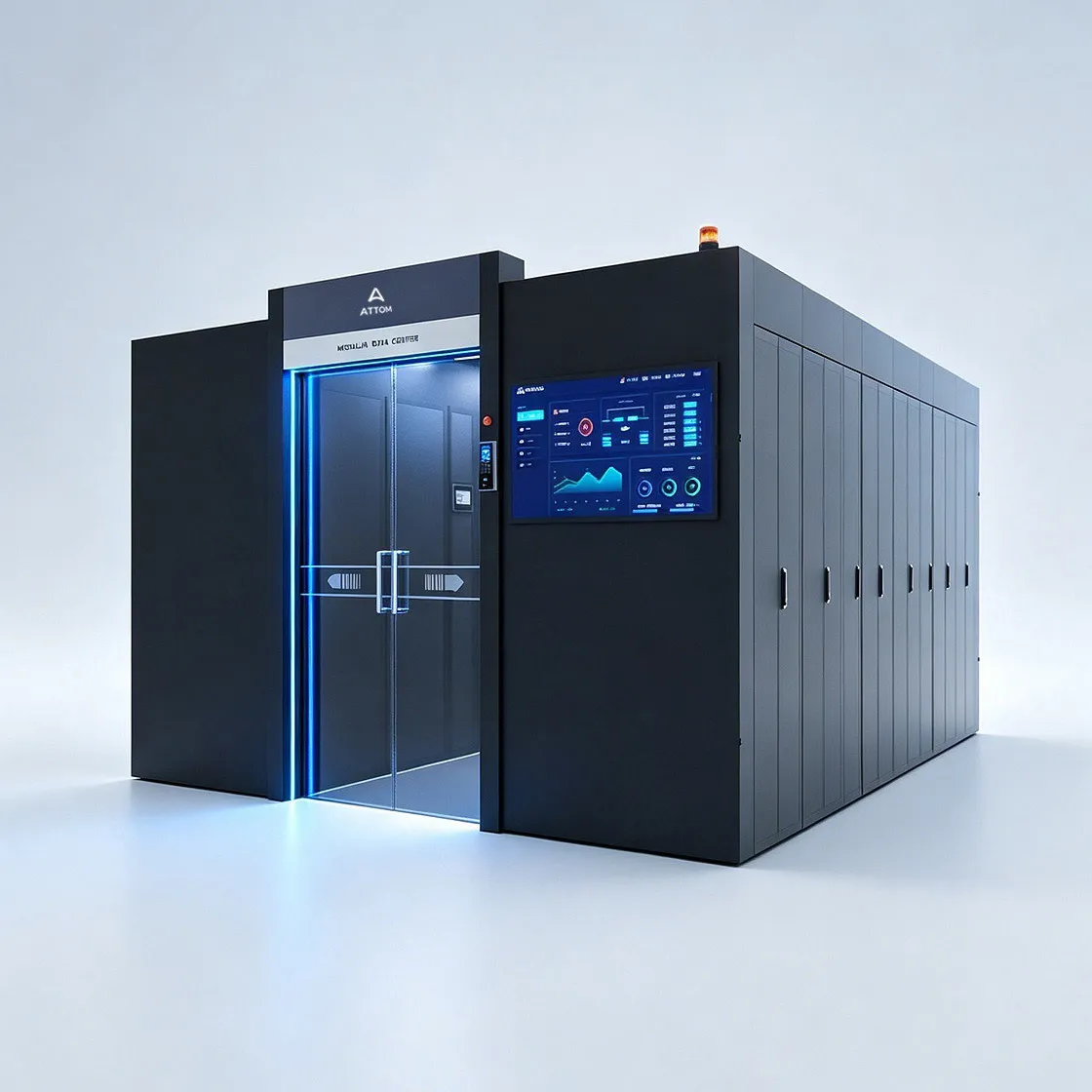
ATTOM Data Center Rack System provides a robust rack infrastructure solution designed for modern data center environments, including micro data centers, modular data centers, and high-density computing applications.
Key features include:
- Standard 19-inch rack compatibility
- High-strength structural design
- Optimized cable and equipment management
- Support for power distribution and cooling integration
- Flexible deployment for modular and edge infrastructure
By combining reliable rack architecture with integrated data center solutions, ATTOM helps organizations build scalable and efficient IT infrastructure.