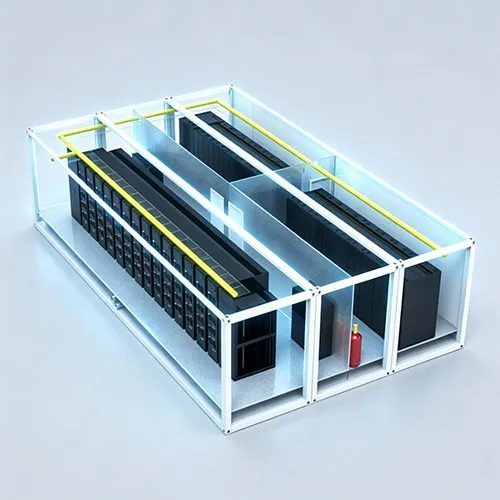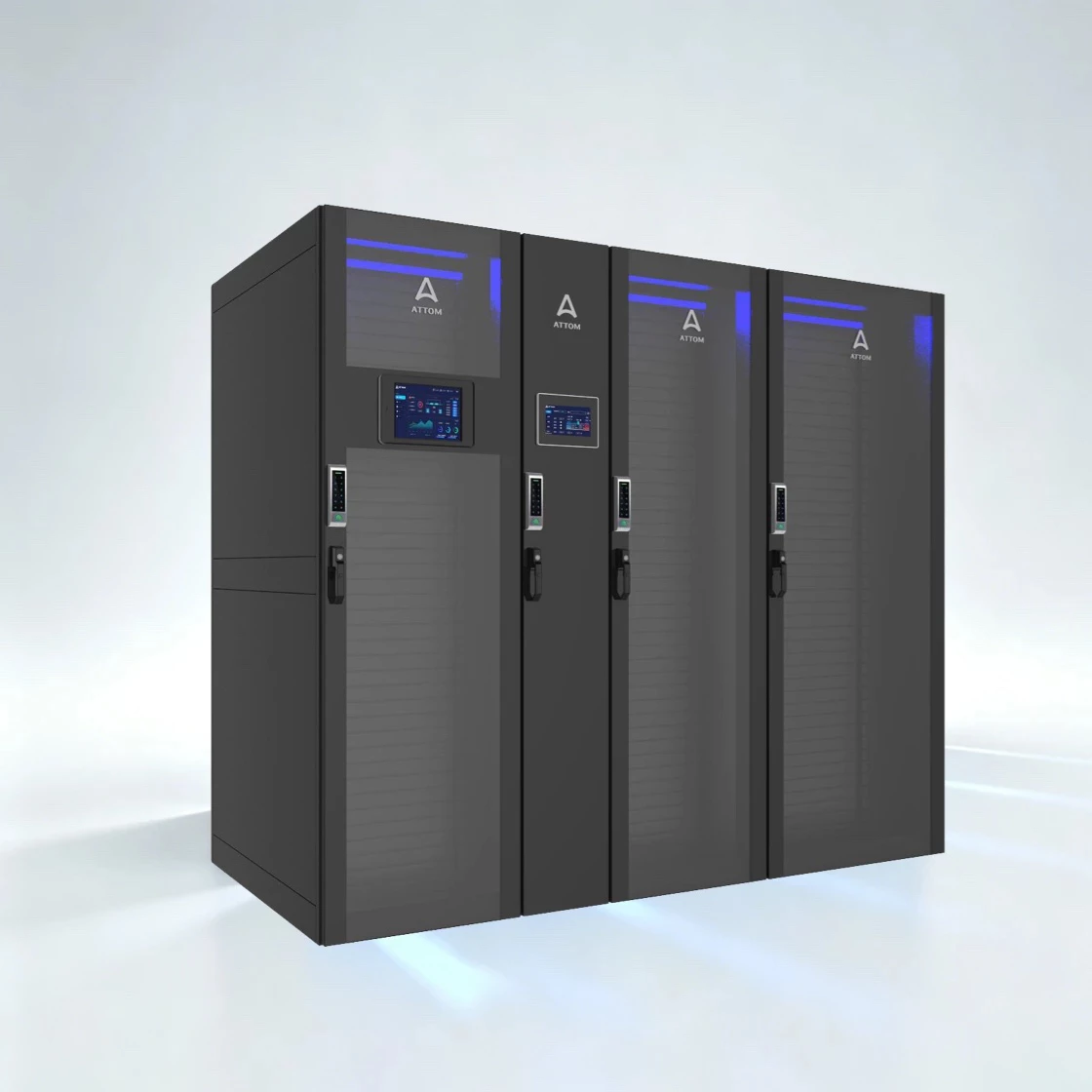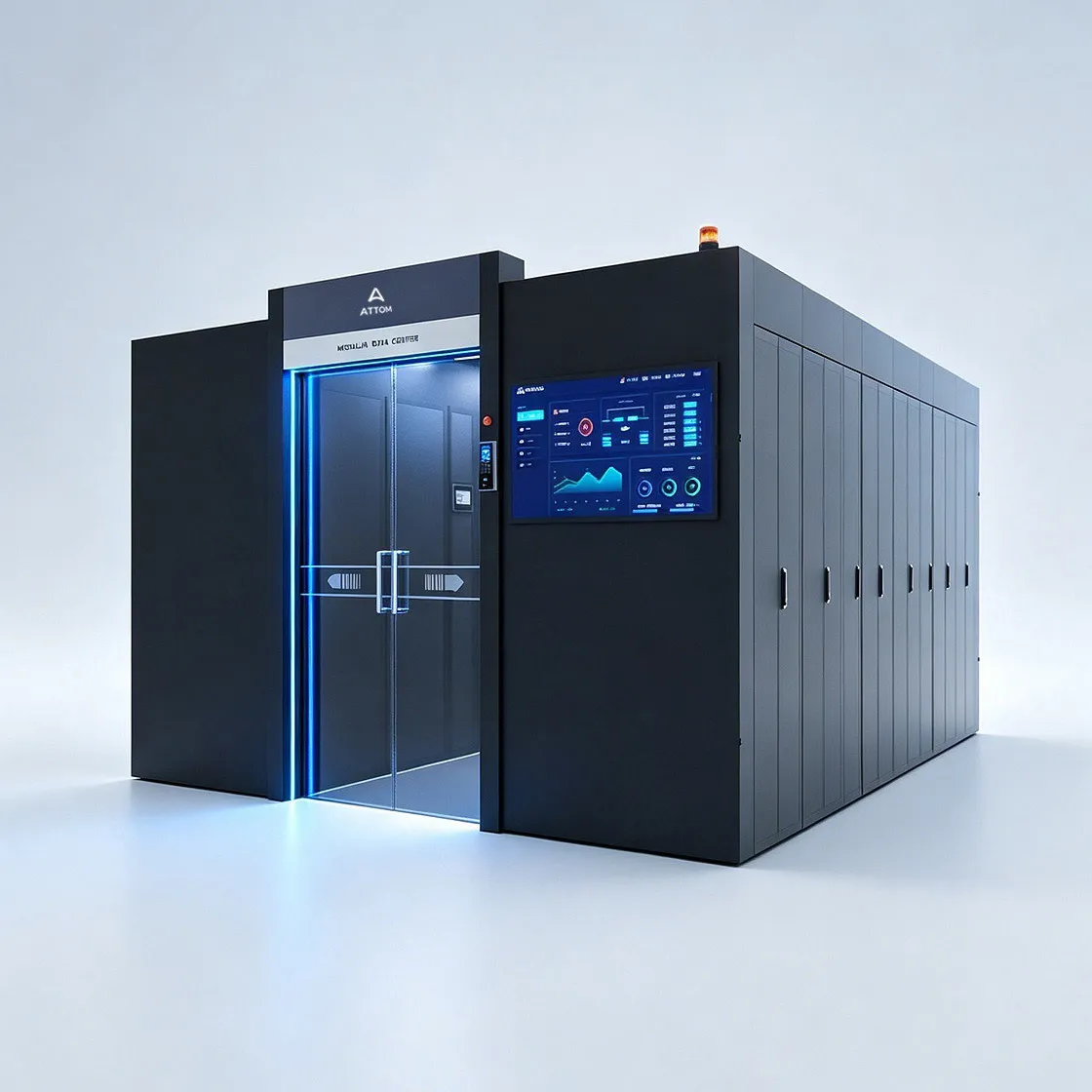
A Modular Data Center is a prefabricated data center solution built from standardized modules that integrate IT space, power, cooling, monitoring, and other critical infrastructure. Unlike traditional site-built data centers, modular data centers can be factory-engineered, assembled, and tested before being transported and deployed at the target location.
Modular data centers are designed to improve deployment flexibility, shorten construction timelines, and allow data center capacity to be expanded incrementally as computing requirements grow.
Key Characteristics
A modular data center typically has several defining characteristics:
- Prefabricated: Major components or systems are manufactured and assembled in a controlled factory environment.
- Factory-integrated: Power, cooling, IT space, monitoring, and other infrastructure can be integrated and tested before deployment.
- Scalable: Additional modules can be deployed as capacity requirements increase, subject to available power, cooling, and site infrastructure.
- Flexible deployment: Modular systems can support enterprise, edge, remote, telecom, and other distributed computing environments.
- Repeatable design: Standardized configurations can simplify deployment across multiple sites.
Modular does not necessarily mean small or temporary. Modular data centers can support permanent, mission-critical infrastructure when properly designed for the required capacity, availability, power, and cooling requirements.
Common Applications
Modular data centers are commonly used for:
- AI and high-density computing
- Edge computing
- Enterprise data center expansion
- Remote and distributed infrastructure
- Telecom and 5G deployments
- Disaster recovery and backup infrastructure
- Rapidly deployable computing capacity
The appropriate modular architecture depends on workload requirements, IT capacity, power availability, cooling strategy, site conditions, and future expansion plans.
Modular Data Center vs. Container Data Center
A Container Data Center is a specific type of modular data center that uses a standardized container or purpose-built containerized enclosure.
Not every modular data center is containerized. Modular architectures can also use purpose-built shelters, rack-level systems, and other prefabricated configurations.
For a detailed discussion of containerized architecture, deployment models, specifications, and engineering considerations, see ATTOM’s Container Data Center guide.
Related Terms
- Container Data Center — A specific type of modular data center using a containerized or purpose-built enclosure.
- Prefabricated Data Center — A broader concept focused on factory-manufactured and pre-integrated data center infrastructure.
- Micro Data Center — A compact data center architecture commonly used for edge and distributed computing.
- Edge Data Center — A data center deployed closer to users, devices, or data sources to reduce latency.
- AI Data Center — Data center infrastructure optimized for AI and high-performance computing workloads.
Related ATTOM Solutions
ATTOM provides Prefabricated Modular Data Center solutions for AI infrastructure, edge computing, enterprise deployments, and other mission-critical applications.
ATTOM’s modular portfolio includes solutions such as AgileMod, AgileHub, and AgileCore, covering different deployment architectures and workload requirements.
Explore ATTOM’s Modular Data Center Solutions to compare available configurations and infrastructure approaches.
Learn More
For a comprehensive overview of modular data centers, including their architecture, types, cooling, power infrastructure, AI applications, and deployment considerations, see our complete guide to Modular Data Centers.