Definition
Data Center Infrastructure refers to the physical systems, equipment, and supporting facilities required to operate a data center and host IT equipment reliably.
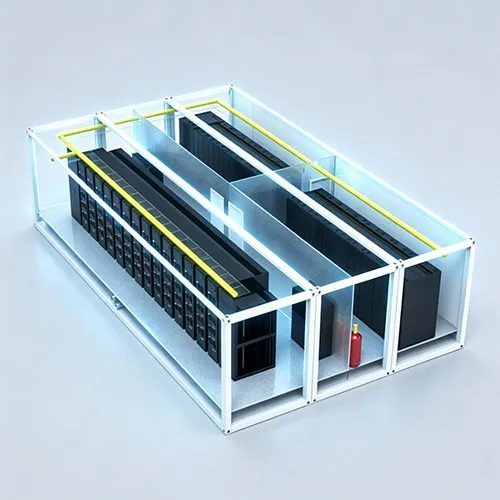
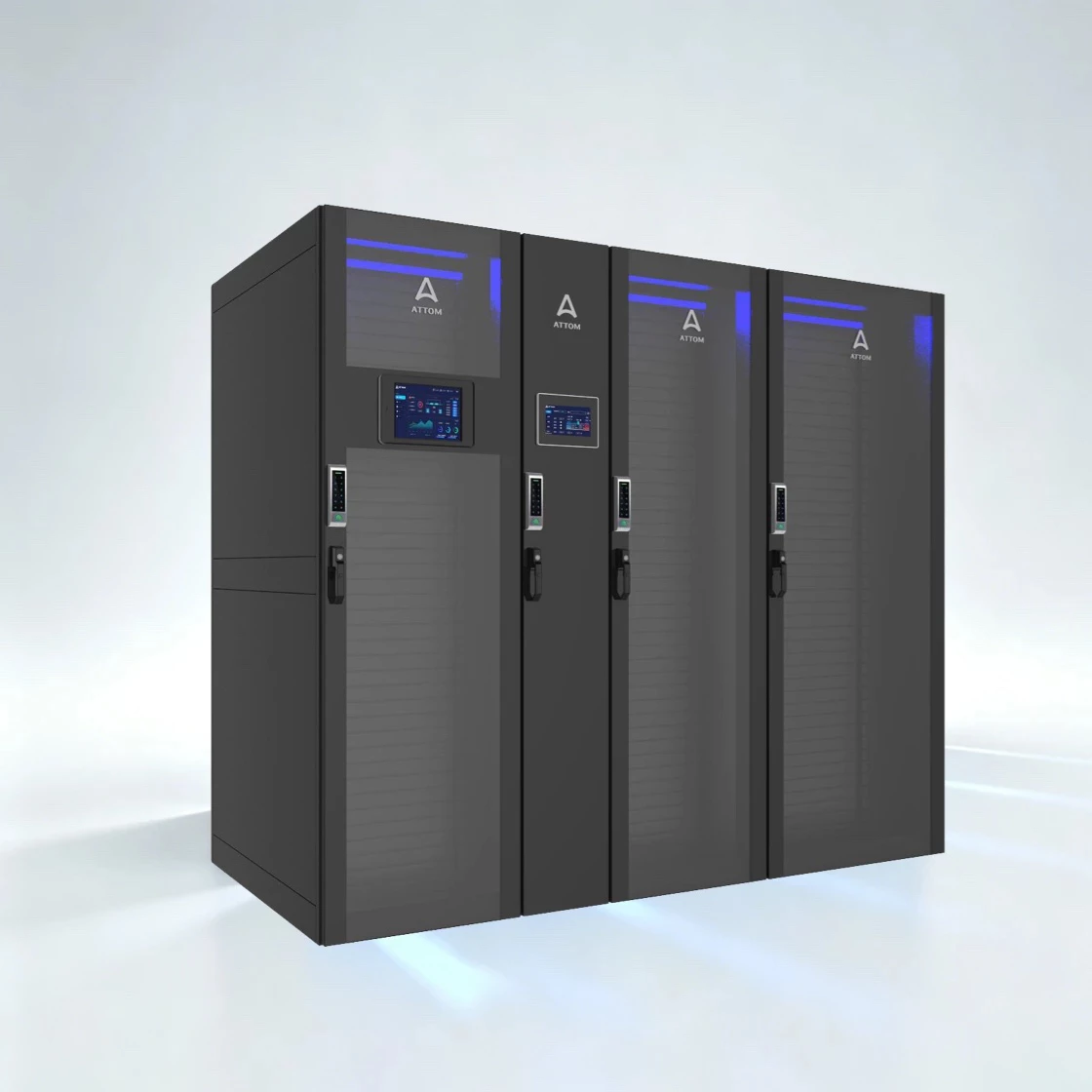
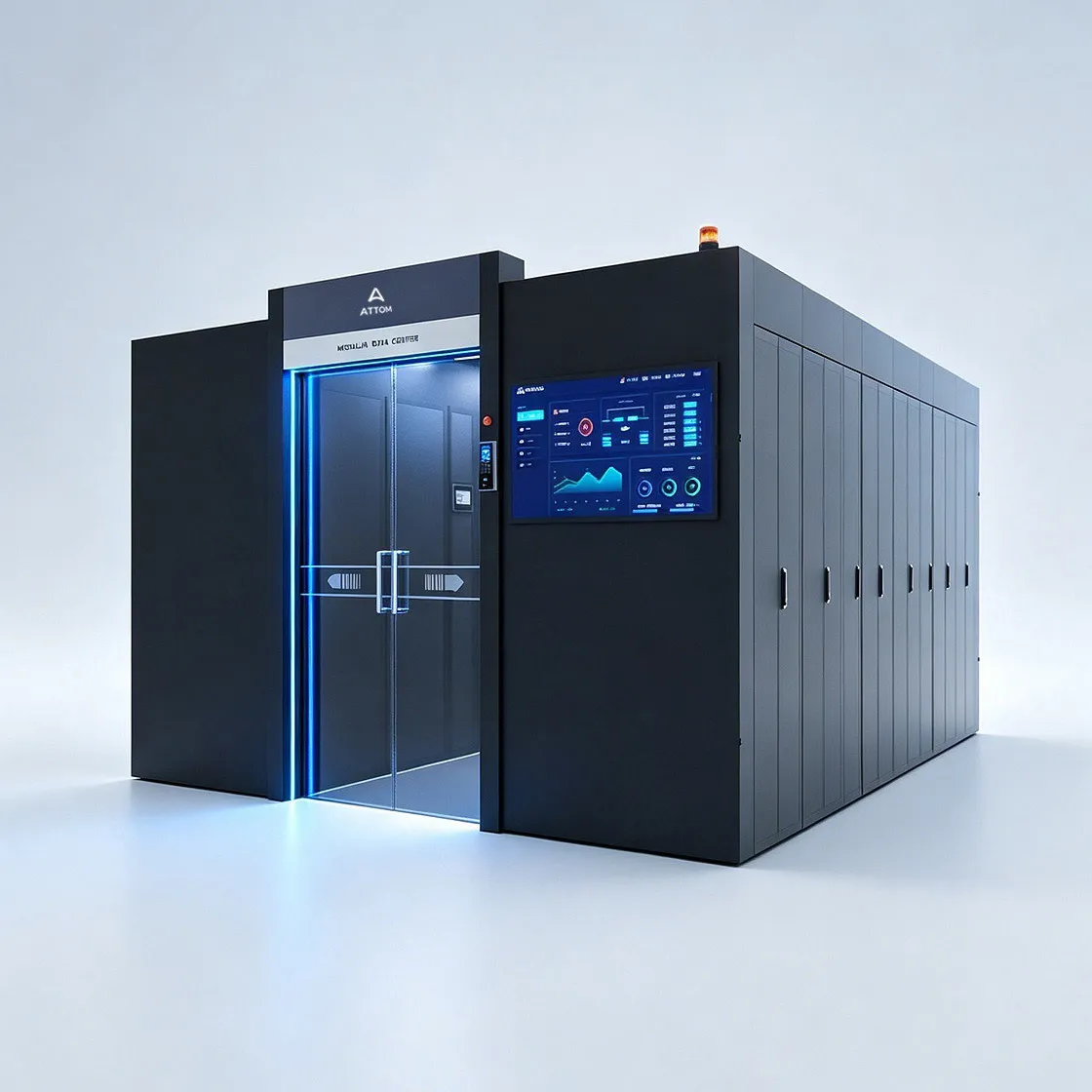
It typically includes power, cooling, racks, networking, physical security, fire protection, monitoring, and other facility systems that support servers, storage, and network equipment.
Data center infrastructure provides the physical foundation for IT and digital services, from enterprise computing environments to cloud, edge, and AI data centers.
Key Components
Data center infrastructure typically consists of several interconnected systems:
Power Infrastructure
Power infrastructure provides reliable and continuous electricity to IT equipment and critical facility systems. It may include:
- Utility power connections
- Switchgear and electrical distribution
- UPS systems
- Power distribution units (PDUs)
- Backup generators
- Battery energy storage systems
Cooling Infrastructure
Cooling systems remove heat generated by IT equipment and maintain suitable operating conditions.
Depending on the facility and IT load, cooling infrastructure may include:
- Precision cooling
- CRAC and CRAH systems
- In-row cooling
- Airflow containment
- Liquid cooling
- Heat rejection systems
IT and Rack Infrastructure
The physical infrastructure supporting IT equipment may include:
- Server racks
- Cabinets
- Server and storage systems
- Network equipment
- Structured cabling
- Rack power distribution
Physical and Facility Systems
Data centers may also require supporting facility systems such as:
- Fire detection and suppression
- Physical security and access control
- Environmental monitoring
- Building management systems
- Structural and equipment support systems
The specific infrastructure configuration depends on facility size, availability requirements, IT load, rack density, operating environment, and applicable standards.
Data Center Infrastructure vs. IT Infrastructure
Data center infrastructure primarily refers to the physical facility and systems that enable a data center to operate.
IT infrastructure refers more broadly to the computing, networking, storage, software, and other technology resources used to deliver IT services.
A data center provides the physical environment in which IT infrastructure can be deployed and operated.
Data Center Infrastructure vs. DCIM
Data center infrastructure refers to the physical systems and equipment that support data center operations.
Data Center Infrastructure Management (DCIM) refers to the software, monitoring, management, and operational practices used to monitor and manage those physical infrastructure systems and IT resources.
In simple terms:
Data Center Infrastructure = the physical foundation
DCIM = the systems and processes used to monitor and manage it
Data Center Infrastructure for High-Density Computing
Increasing server and AI accelerator densities are changing data center infrastructure requirements.
High-density environments may require greater electrical capacity, higher rack power density, high-speed networking, and more advanced thermal management. Depending on the workload, this can include liquid cooling, high-capacity power distribution, and specialized rack infrastructure.
The infrastructure must therefore be designed as an integrated system in which power, cooling, networking, racks, and facility systems work together to support the required IT load.
Related Terms
- Data Center
- Data Center Design
- Data Center Infrastructure Management (DCIM)
- Data Center Cooling
- Critical Power
- Server Rack
- Liquid Cooling
- Precision Cooling
- Modular Data Center
- AI Infrastructure
- Edge Data Center
Related ATTOM Solutions
ATTOM provides integrated infrastructure solutions for data centers, including critical power, precision cooling, liquid cooling, server racks, modular data centers, and high-density AI infrastructure.
Explore ATTOM’s Data Center Infrastructure Solutions for integrated power, cooling, rack, and modular infrastructure.