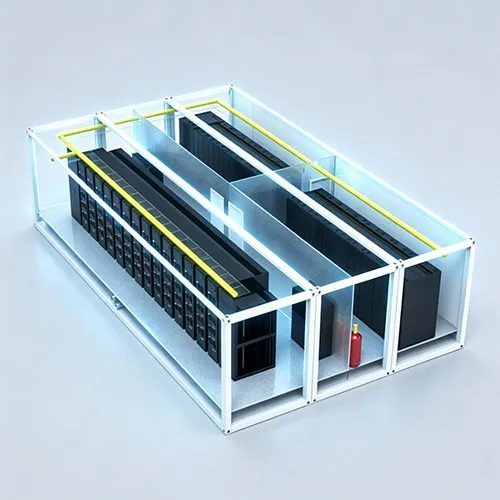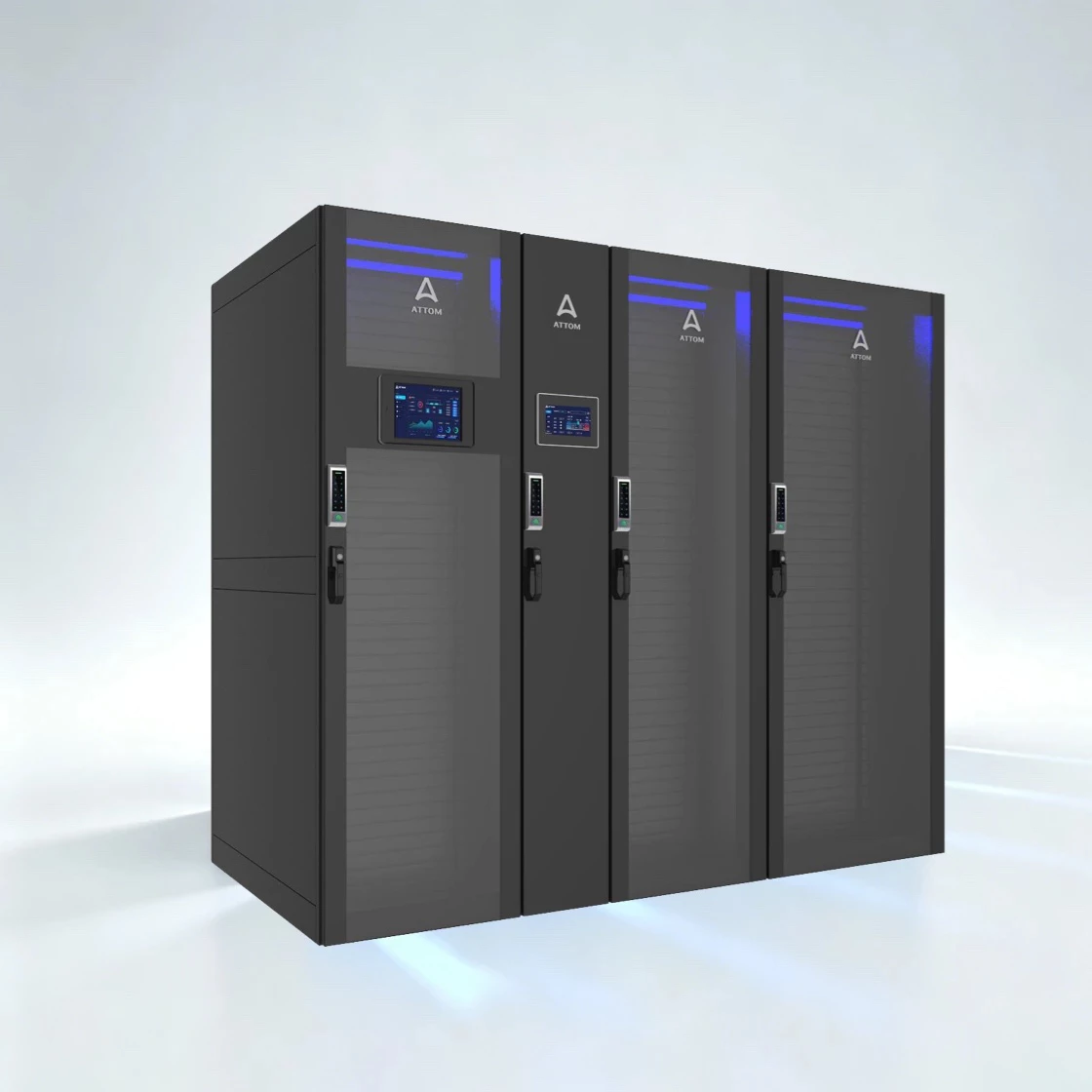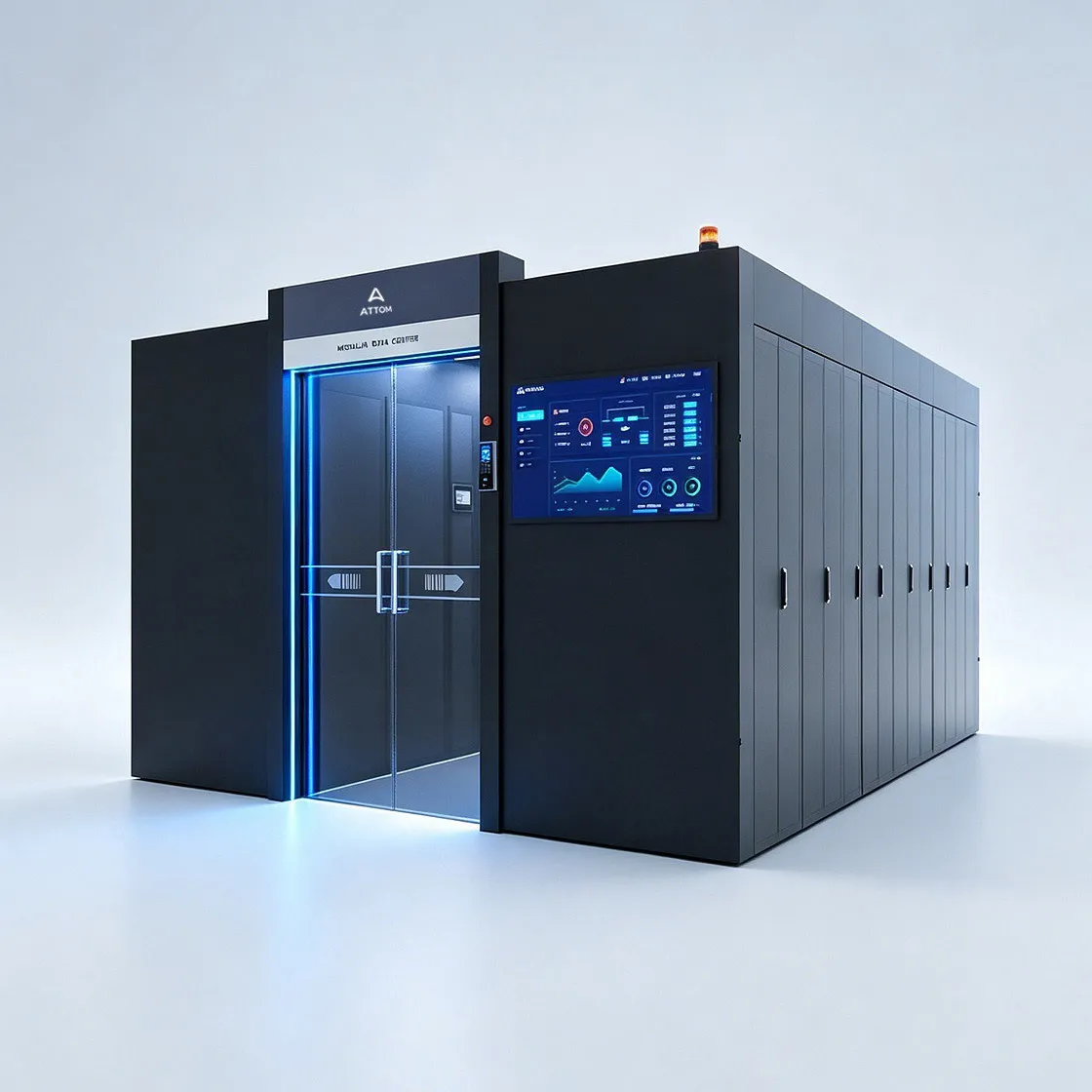
DCIM stands for Data Center Infrastructure Management. It refers to the software, systems, and management capabilities used to monitor and manage a data center’s physical infrastructure, including IT equipment, power, cooling, environmental conditions, space, and capacity.
A DCIM system brings infrastructure data together in a centralized platform, giving data center operators greater visibility into equipment status, power consumption, thermal conditions, alarms, and available capacity.
DCIM is particularly valuable in modern data centers where increasing rack densities, AI workloads, and more complex power and cooling architectures make infrastructure management more difficult to handle through separate monitoring tools or manual records.
What Does DCIM Manage?
Depending on the system, DCIM can provide visibility into:
- IT equipment and server racks
- Power distribution and energy consumption
- UPS and PDU systems
- Temperature and humidity
- Cooling and thermal conditions
- Space and rack utilization
- Power and cooling capacity
- Infrastructure alarms and events
By connecting these data sources, a DCIM system helps operators understand the current condition of the physical data center and make more informed infrastructure decisions.
DCIM in AI Data Centers
AI data centers often have higher rack power densities and more demanding cooling requirements than conventional data centers.
DCIM can help operators monitor and correlate power, cooling, environmental conditions, assets, and capacity, supporting the deployment and operation of high-density AI infrastructure.
For a deeper explanation of how DCIM works, its key components, benefits, and applications in modern data centers, see:
DCIM (Data Center Infrastructure Management): Complete Guide →
Related Terms
- Data Center Infrastructure
- AI Data Center
- Smart Data Center
- Critical Power
- UPS
- Power Distribution Unit (PDU)
- PUE
- Liquid Cooling
- Thermal Management
ATTOM DCIM Solutions
ATTOM provides DCIM solutions for monitoring and managing critical data center infrastructure, including power, cooling, environmental conditions, assets, and infrastructure performance.