Definition
Data Center Design is the process of planning and engineering a data center facility so that its physical infrastructure can support required IT workloads, capacity, availability, scalability, efficiency, and operational needs.
It integrates multiple disciplines, including site planning, architectural layout, electrical systems, cooling, networking, structural requirements, physical security, and facility operations.
Rather than designing each system independently, data center design considers how these systems interact as a complete infrastructure environment.
Key Considerations
Data center design typically considers several interconnected areas:
Site and Facility Planning
Site and facility planning establishes the physical conditions required for reliable data center operation. Considerations may include:
- Power availability
- Network connectivity
- Climate and environmental conditions
- Physical and natural hazards
- Site access and logistics
- Available space for expansion
Power System Design
The electrical design must provide sufficient and reliable power for IT equipment and supporting infrastructure.
Depending on availability requirements, designs may incorporate utility connections, switchgear, transformers, UPS systems, generators, and redundant power distribution paths.
Power capacity should account for both current and future IT loads. Planning for future load growth is important because electrical infrastructure can be difficult and costly to expand after a facility is built.
Cooling and Thermal Design
Cooling design determines how heat generated by IT equipment will be removed while maintaining appropriate operating conditions.
Depending on rack density and workload requirements, a design may use:
- Air-based precision cooling
- Hot-aisle or cold-aisle containment
- In-row cooling
- Rear-door heat exchangers
- Liquid cooling
- Hybrid cooling architectures
As AI and other high-density workloads increase rack power requirements, thermal design increasingly needs to account for different cooling technologies and higher heat densities.
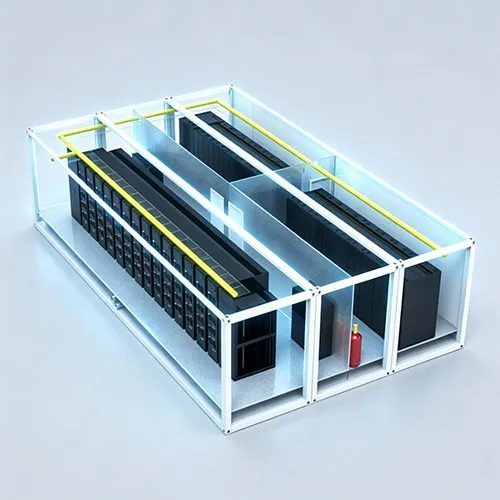
Space and Rack Layout
Physical layout affects airflow, power distribution, network cabling, maintenance access, security, and future expansion.
Design considerations can include:
- Rack arrangement and density
- Hot- and cold-aisle configuration
- Equipment clearances
- Cable pathways
- Maintenance access
- Power and cooling zones
- Reserved capacity for future equipment
The layout should align IT equipment placement with the available power and cooling capacity rather than treating rack placement as an isolated architectural decision.
Reliability and Redundancy
Data center design establishes the level of resilience required for the facility.
Power, cooling, and network systems may use redundancy configurations such as N, N+1, 2N, or 2N+1, depending on availability objectives.
Industry frameworks such as Uptime Institute Tier Standards and ANSI/TIA-942 provide different approaches for evaluating data center resilience and infrastructure requirements. ANSI/TIA-942, for example, defines ratings based on telecommunications, electrical, architectural, and mechanical infrastructure resilience.
Data Center Design for High-Density Computing
Modern AI and high-performance computing workloads are changing traditional data center design assumptions.
Higher rack power densities can require changes to:
- Electrical distribution
- Rack and floor layout
- Cooling architecture
- Network infrastructure
- Structural requirements
- Space allocation
High-density deployments may combine air cooling with close-coupled or liquid cooling technologies. Future capacity planning should account for changing rack densities and workload requirements rather than designing only for today’s equipment.
Data Center Design vs. Data Center Infrastructure
Data center infrastructure refers to the physical systems and equipment that enable a data center to operate.
Data center design is the process of planning and integrating those systems to meet defined requirements for capacity, reliability, scalability, efficiency, and operations.
In simple terms:
Data Center Infrastructure = the systems and equipment
Data Center Design = how those systems are planned and integrated
Data Center Design vs. Data Center Construction
Data center design defines the architectural, engineering, infrastructure, and technical requirements of a facility.
Data center construction is the physical process of building and installing the facility according to those requirements.
Design therefore precedes and guides construction, although design decisions may continue to evolve during project delivery.
Related Terms
- Data Center Infrastructure
- Data Center
- Data Center Cooling
- AI Data Center
- Data Center Cooling
- Critical Power
- Server Rack
- Liquid Cooling
- Precision Cooling
- Modular Data Center
- AI Infrastructure
- Edge Data Center
- DCIM
Related ATTOM Solutions
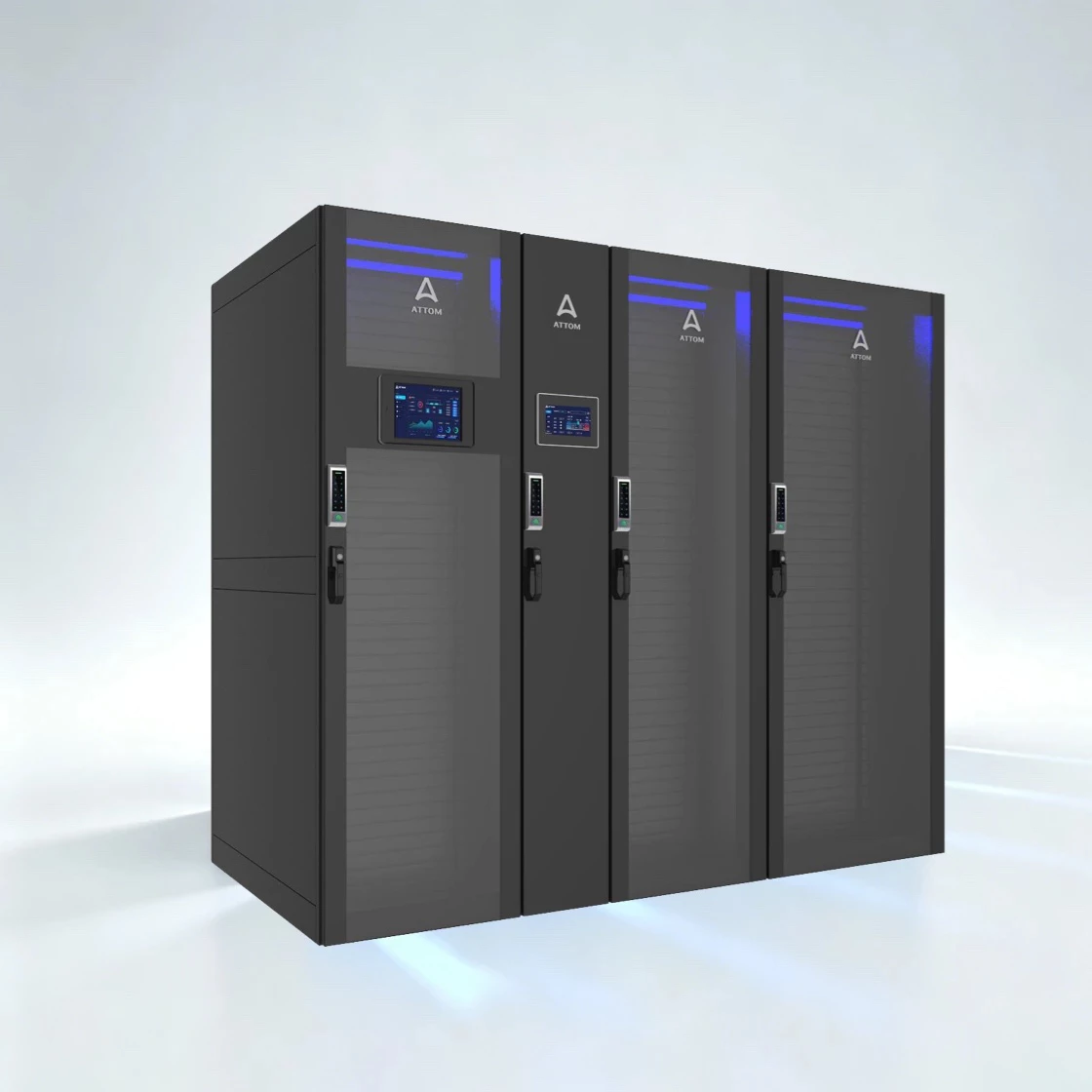
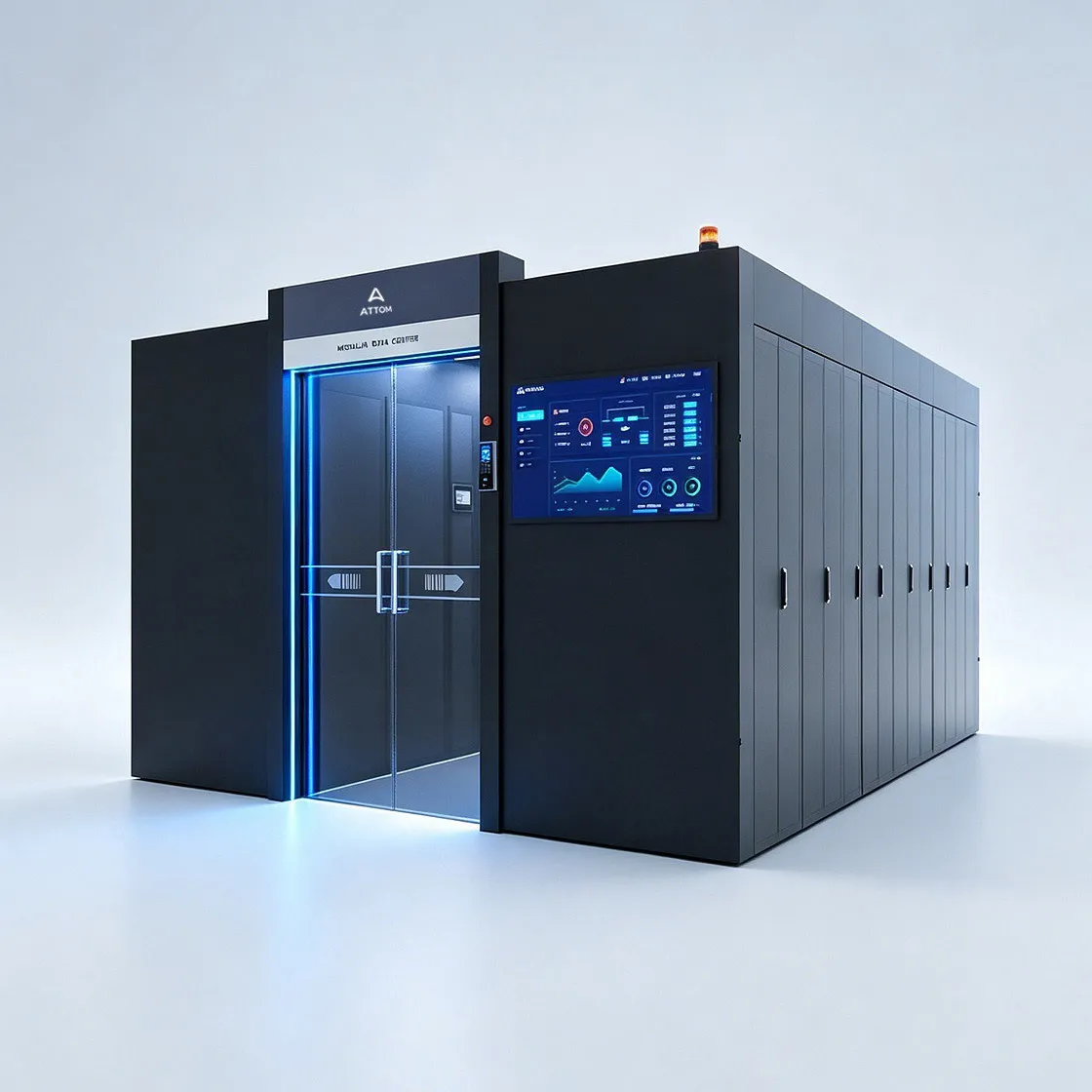
ATTOM provides data center infrastructure solutions that support different design requirements, including modular data centers, critical power, precision cooling, liquid cooling, server racks, and high-density AI infrastructure.
Explore ATTOM’s Data Center Solutions for infrastructure designed around specific capacity, deployment, power, cooling, and scalability requirements.