Definition
Rack Density refers to the amount of computing power and electrical capacity deployed within a single server rack, typically measured by power consumption in kilowatts (kW).
Higher rack density enables more computing performance within the same physical footprint but creates greater cooling and power challenges.
Why It Matters
AI workloads significantly increase rack power requirements due to GPU-based computing.
Higher rack density requires:
- Advanced cooling technologies
- Reliable power infrastructure
- Optimized data center design
Key Technologies
Supporting high rack density requires:
- Liquid cooling
- High-capacity power systems
- Intelligent monitoring
- Modular infrastructure
Applications
High-density racks are common in:
- AI data centers
- GPU computing environments
- HPC facilities
- Cloud infrastructure
Related Terms
Related ATTOM Solutions
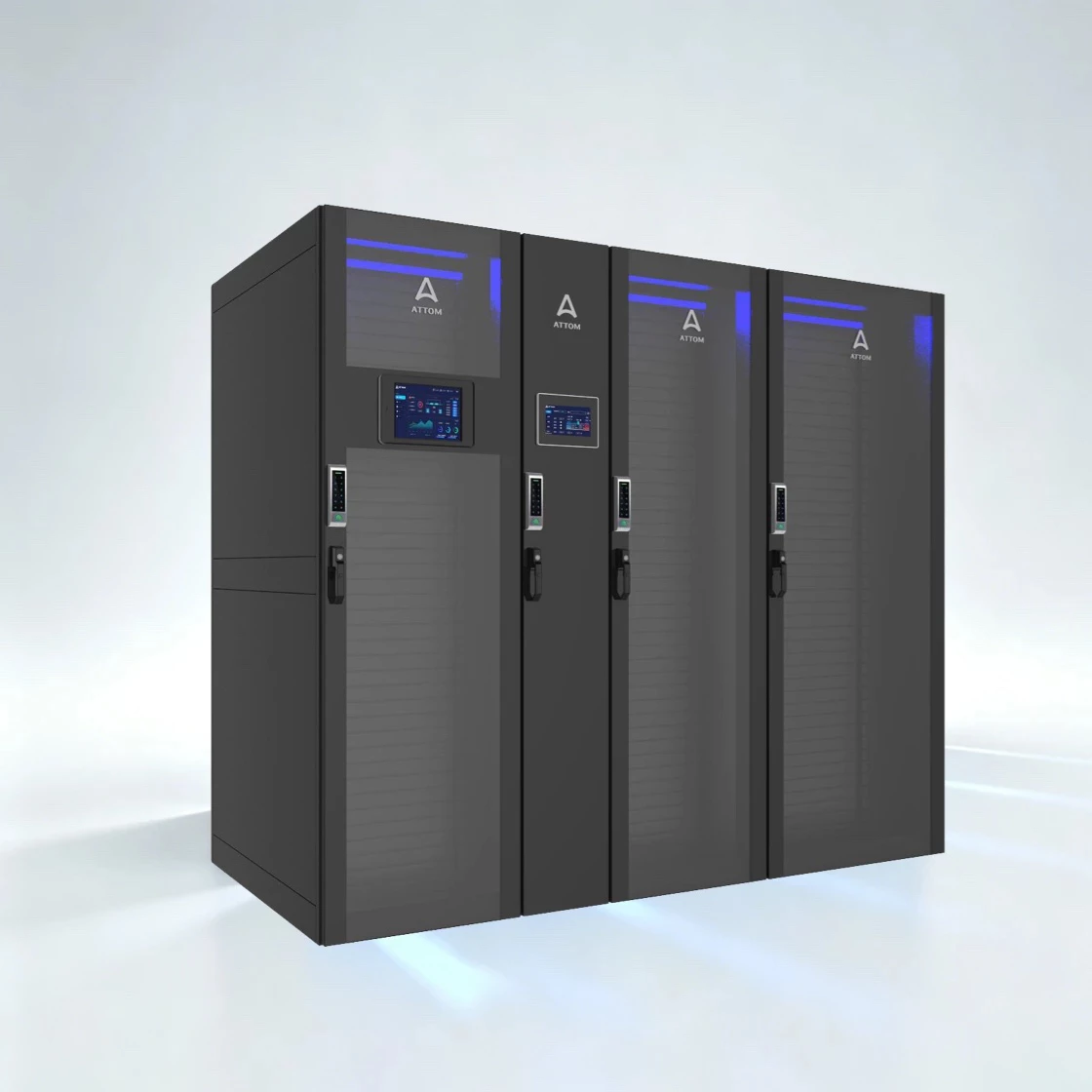
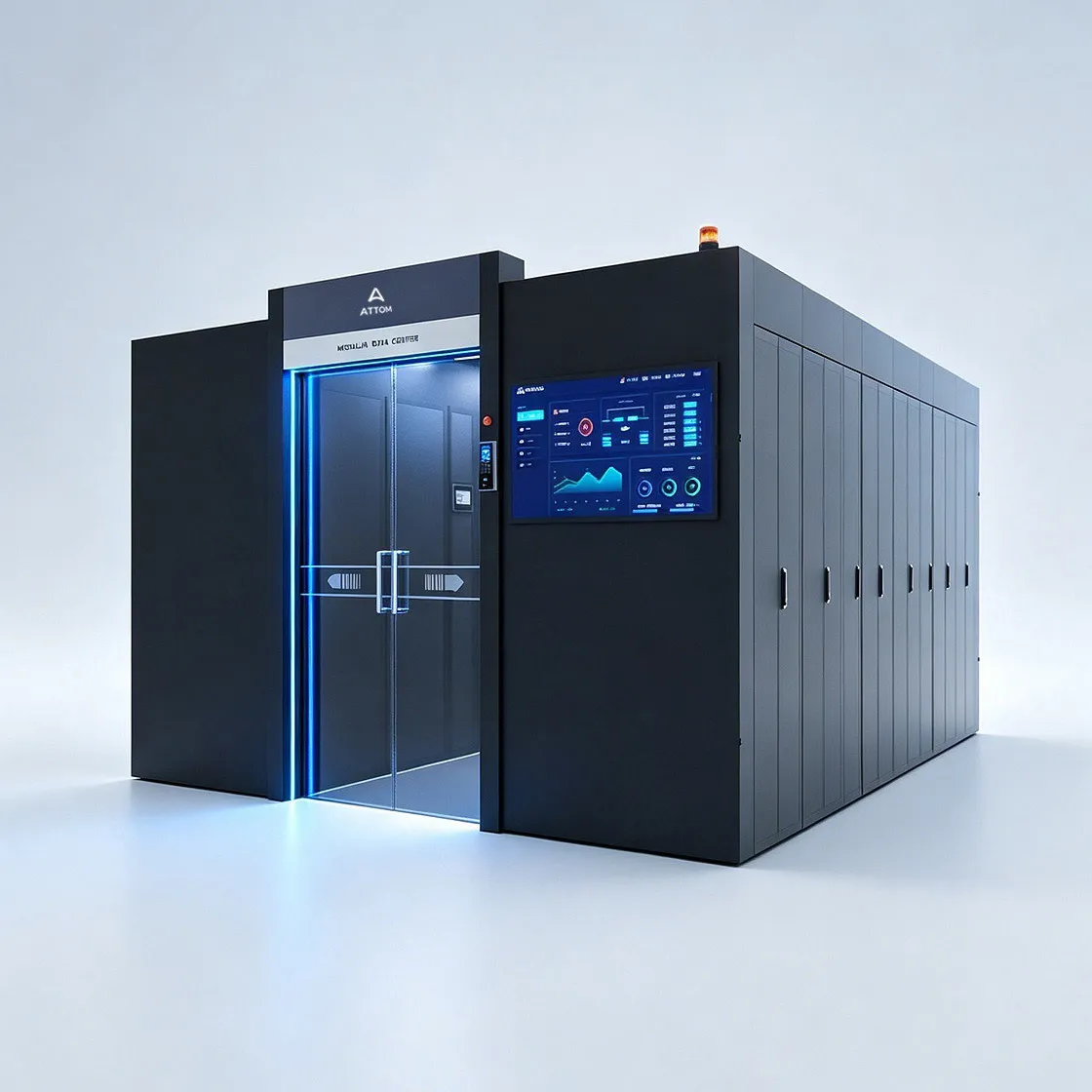
ATTOM develops infrastructure solutions designed to support high-density computing environments with advanced cooling and modular data center technologies.