Internet of Things (IoT) refers to a network of physical devices, machines, sensors, and other connected objects that collect, exchange, and sometimes process data over a network.
IoT devices can include industrial machines, environmental sensors, vehicles, cameras, smart meters, medical devices, and connected equipment. By connecting physical assets to digital systems, IoT enables organizations to monitor conditions, automate processes, analyze operational data, and make faster decisions.
IoT is closely connected with Edge Computing because many IoT applications generate large volumes of data or require rapid local processing.
Key Characteristics
IoT systems typically combine several components:
- Connected devices: Sensors, machines, cameras, appliances, and other physical assets that generate or receive data.
- Connectivity: Wired or wireless networks that transmit data between devices, edge systems, and centralized infrastructure.
- Data processing: Data can be processed locally at the device or edge, or centrally in cloud and data center environments.
- Monitoring and control: IoT systems can monitor physical conditions and trigger automated actions based on collected data.
- Scalability: Large IoT deployments may involve thousands or millions of connected devices distributed across multiple locations.
The architecture depends on factors such as device density, data volume, latency requirements, connectivity, security, and application requirements.
Common Applications
IoT is widely used in:
- Smart manufacturing
- Industrial automation
- Smart cities
- Connected vehicles and transportation
- Energy and utilities
- Building management
- Retail
- Agriculture
- Healthcare
- Environmental monitoring
Many of these applications generate data continuously and may require local processing before information is transmitted to centralized systems.
IoT and Edge Computing
IoT describes the connected devices and systems that generate, collect, and exchange data.
Edge Computing provides a distributed computing model that can process some of this data closer to where it is generated.
For example, an industrial IoT system may collect sensor data from manufacturing equipment and process that data locally through an edge computing system. Only selected results or aggregated information may then be sent to a centralized cloud or data center.
This approach can reduce latency, bandwidth requirements, and unnecessary data transmission.
IoT and Edge Data Centers
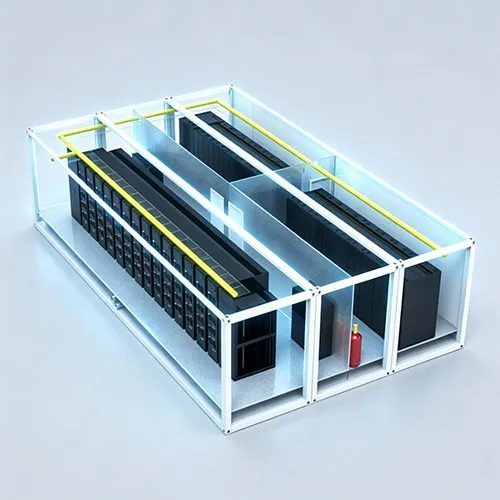
Large-scale IoT deployments can generate substantial amounts of distributed data. Edge Data Centers can provide localized computing, storage, networking, and supporting infrastructure closer to IoT devices and data sources.
However, not every IoT deployment requires an edge data center. Smaller applications may process data directly on devices, gateways, or other edge systems.
The appropriate architecture depends on data volume, latency requirements, application criticality, connectivity, and processing requirements.
Related Terms
- Edge Computing — A computing architecture that processes data closer to users, devices, or data sources.
- Micro Data Center — A compact data center architecture commonly used for edge and distributed deployments.
- Modular Data Center — A prefabricated and scalable data center architecture that can be deployed at edge locations.
- AI Data Center — Data center infrastructure designed for AI and high-performance computing workloads.
- 5G — A telecommunications technology that enables high-bandwidth, low-latency connectivity for many edge computing applications.
Related ATTOM Solutions
ATTOM provides Micro Data Center and Edge Data Center solutions that can support distributed IoT deployments requiring localized computing, storage, networking, and infrastructure management.
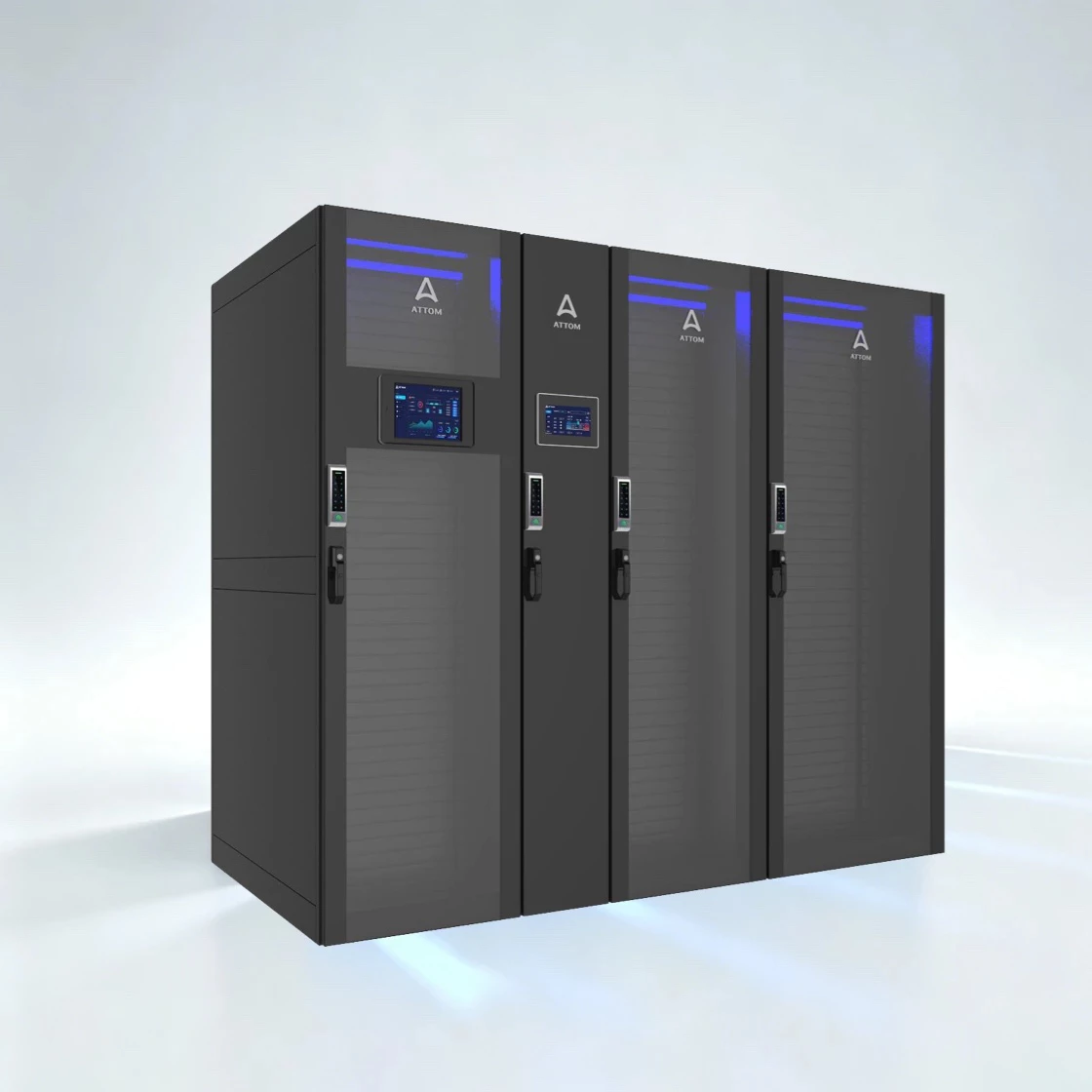
AgileRax is ATTOM’s Micro Data Center solution, integrating IT infrastructure, power, cooling, monitoring, and security into a compact platform suitable for edge and distributed applications.
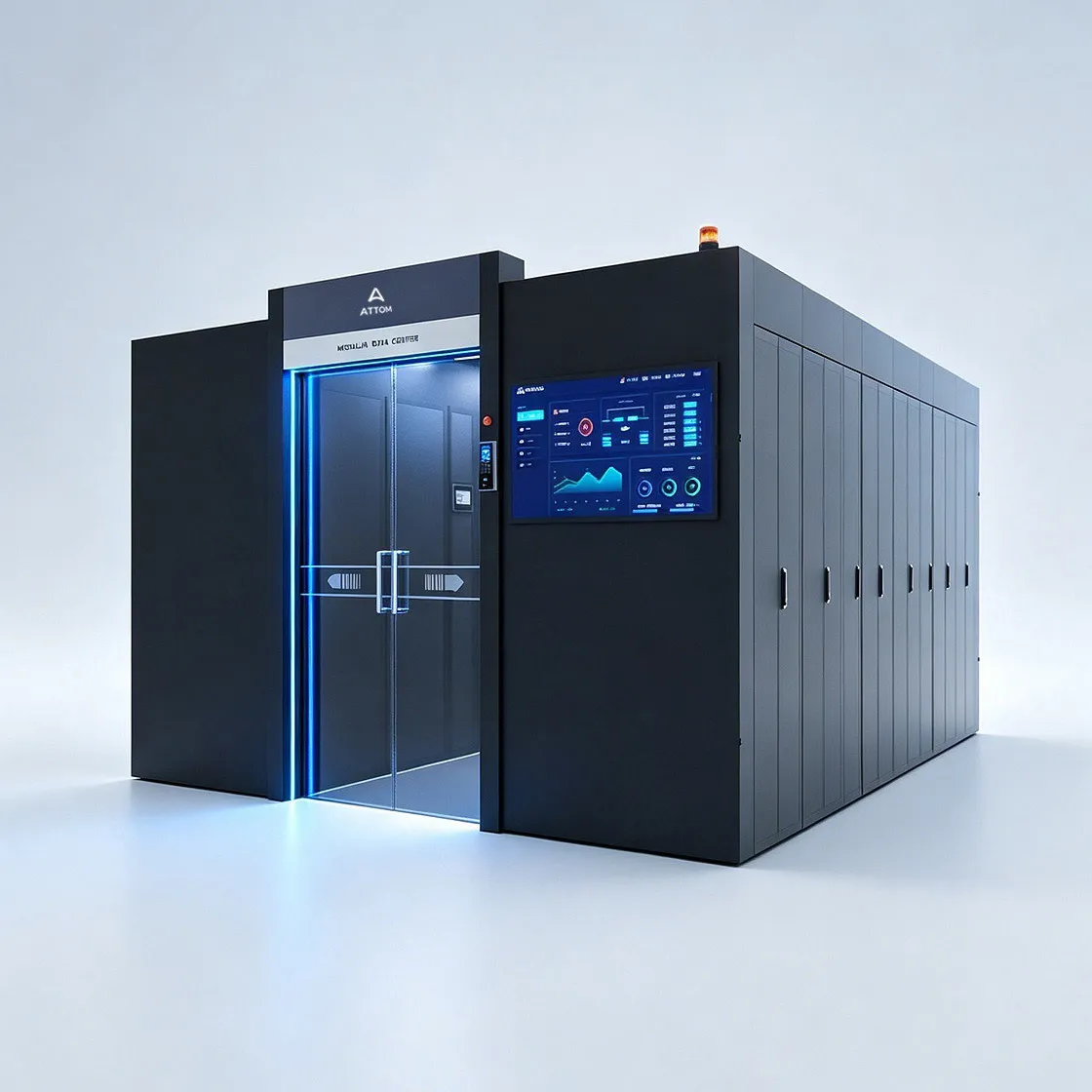
For larger distributed deployments, ATTOM also provides prefabricated modular and containerized data center solutions.
Explore ATTOM Smart Manufacturing Solutions to learn more about infrastructure options for distributed IoT and edge computing environments.
Learn More
For a deeper understanding of the infrastructure supporting distributed computing, explore ATTOM’s resources on Edge Computing, Micro Data Centers.