A Green Data Center is a facility designed, built, and operated to minimize its environmental impact while maintaining high performance and reliability. It prioritizes energy efficiency, reduced carbon emissions, lower water usage, and the integration of renewable energy sources and sustainable practices throughout its lifecycle.
Key strategies used in green data centers
- Energy efficiency optimization: Achieving the lowest possible PUE through advanced cooling, efficient power distribution, and intelligent management systems.
- Free Cooling: Leveraging outdoor ambient conditions to reduce or eliminate mechanical refrigeration, significantly cutting energy consumption.
- Liquid Cooling: Deploying Direct-to-Chip or Immersion Cooling solutions that remove heat more efficiently than traditional air cooling, especially for high-density AI workloads.
- Renewable energy integration: Powering operations with solar, wind, or other clean energy sources, often combined with battery storage systems.
- Water conservation: Minimizing or eliminating water use in cooling through dry coolers or closed-loop systems to improve WUE.
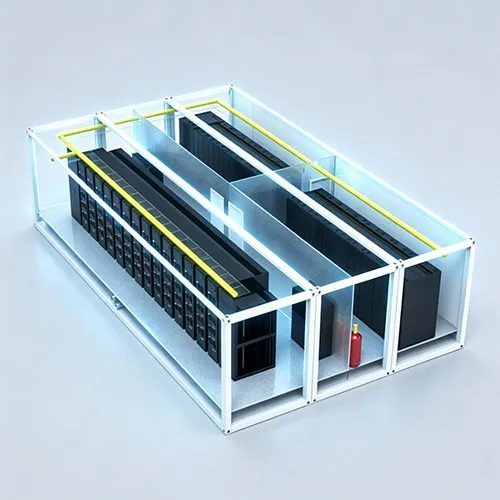
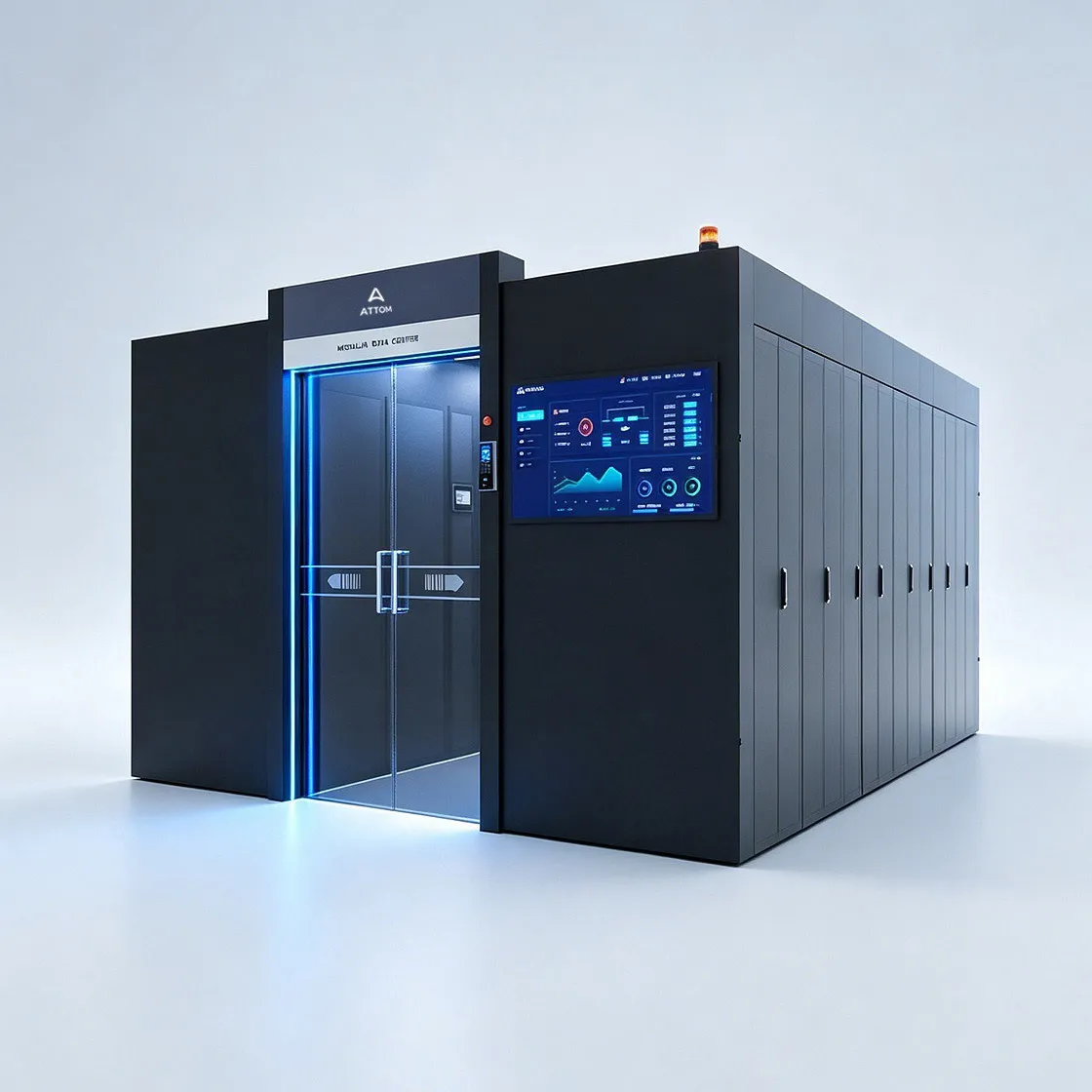
- Modular and prefabricated construction: Using factory-built modules that reduce on-site waste, shorten construction time, and enable precise energy performance from day one.
Green Data Center and ATTOM
Green data centers not only lower operating costs and carbon footprints but also help organizations meet increasingly strict regulatory and ESG requirements. As AI and high-density computing drive up power demand, the ability to deliver sustainable infrastructure has become a competitive advantage.
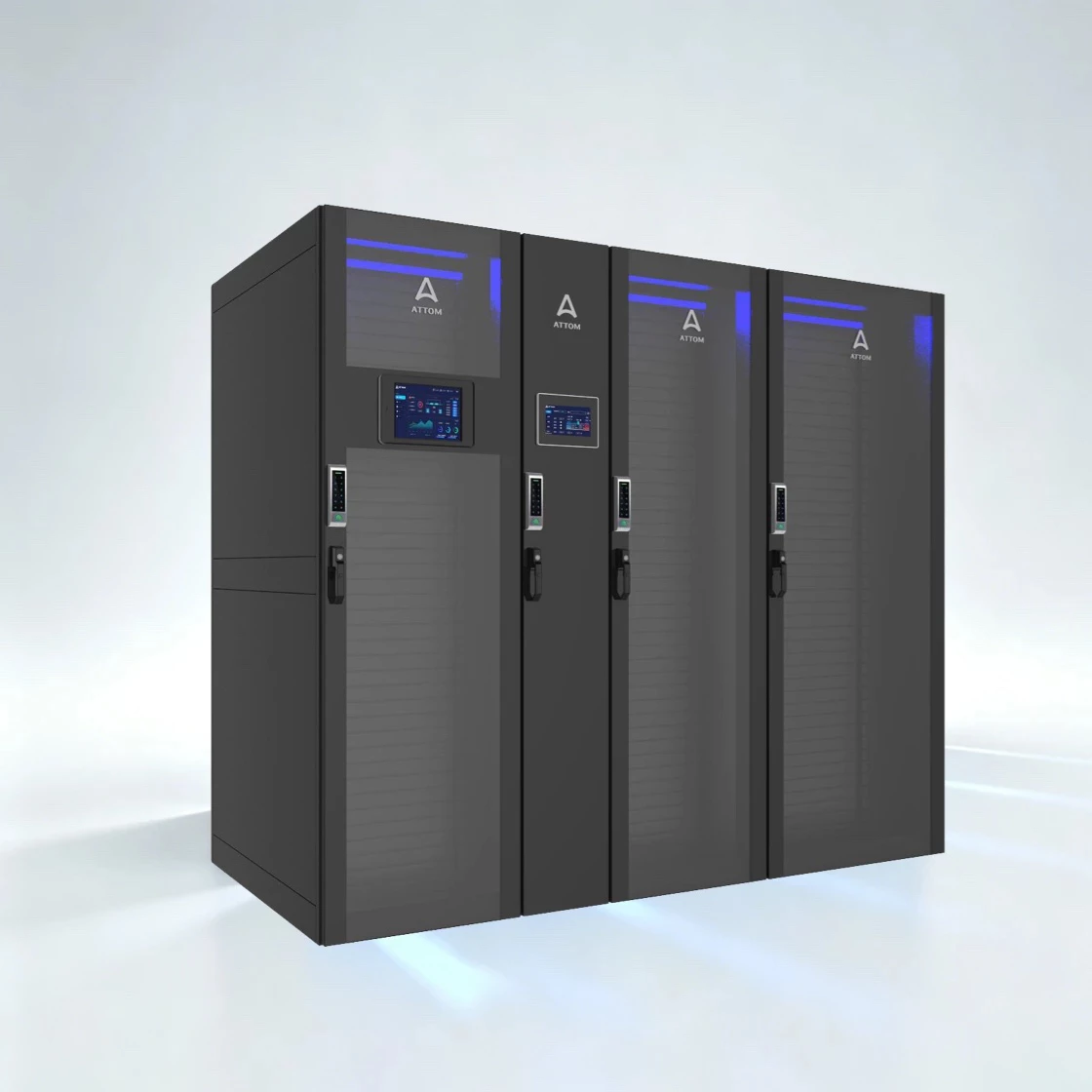
Attom Technology’s prefab modular data centers (including AgileCore) and advanced cooling platforms (ByteCool and OceanCool) are engineered with green principles at the core. These solutions routinely achieve PUE values as low as 1.15–1.3 and support average energy cost reductions of around 40%, helping customers build efficient, future-ready, and environmentally responsible digital infrastructure.