Heat Recovery (also called heat reuse) is the process of capturing waste heat generated by IT equipment and cooling systems in a data center and repurposing it for beneficial applications outside the facility. Instead of simply rejecting heat into the atmosphere, the thermal energy is redirected to support space heating, domestic hot water, district heating networks, or industrial processes.
Key approaches to heat recovery
- Liquid cooling heat recovery: High-temperature coolant from Direct-to-Chip or Immersion Cooling systems produces higher-grade heat that is easier and more efficient to capture and reuse.
- Heat exchanger integration: Heat is transferred from the data center cooling loop to a secondary circuit that supplies nearby buildings or district heating systems.
- Absorption or heat-pump systems: Waste heat is used to drive absorption chillers or heat pumps, creating additional cooling or heating capacity with minimal extra energy input.
- Facility-level reuse: Recovered heat supports on-site needs such as office heating, humidity control, or pre-heating of makeup water.
Heat Recovery and ATTOM
Heat recovery significantly improves overall energy efficiency and supports Green Data Center goals by reducing the facility’s carbon footprint and creating potential revenue streams from sold thermal energy. It is especially effective when combined with liquid cooling and elevated coolant temperatures, which increase the quality and usability of the recovered heat.
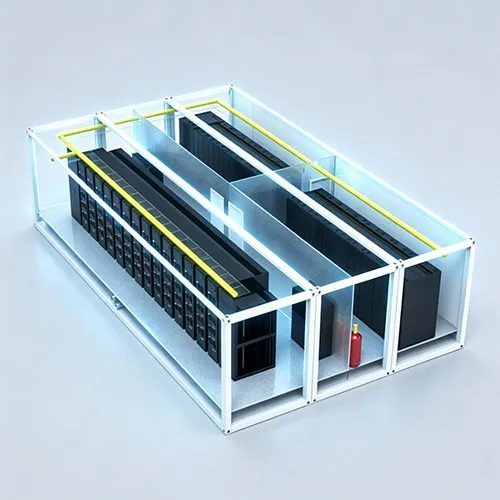
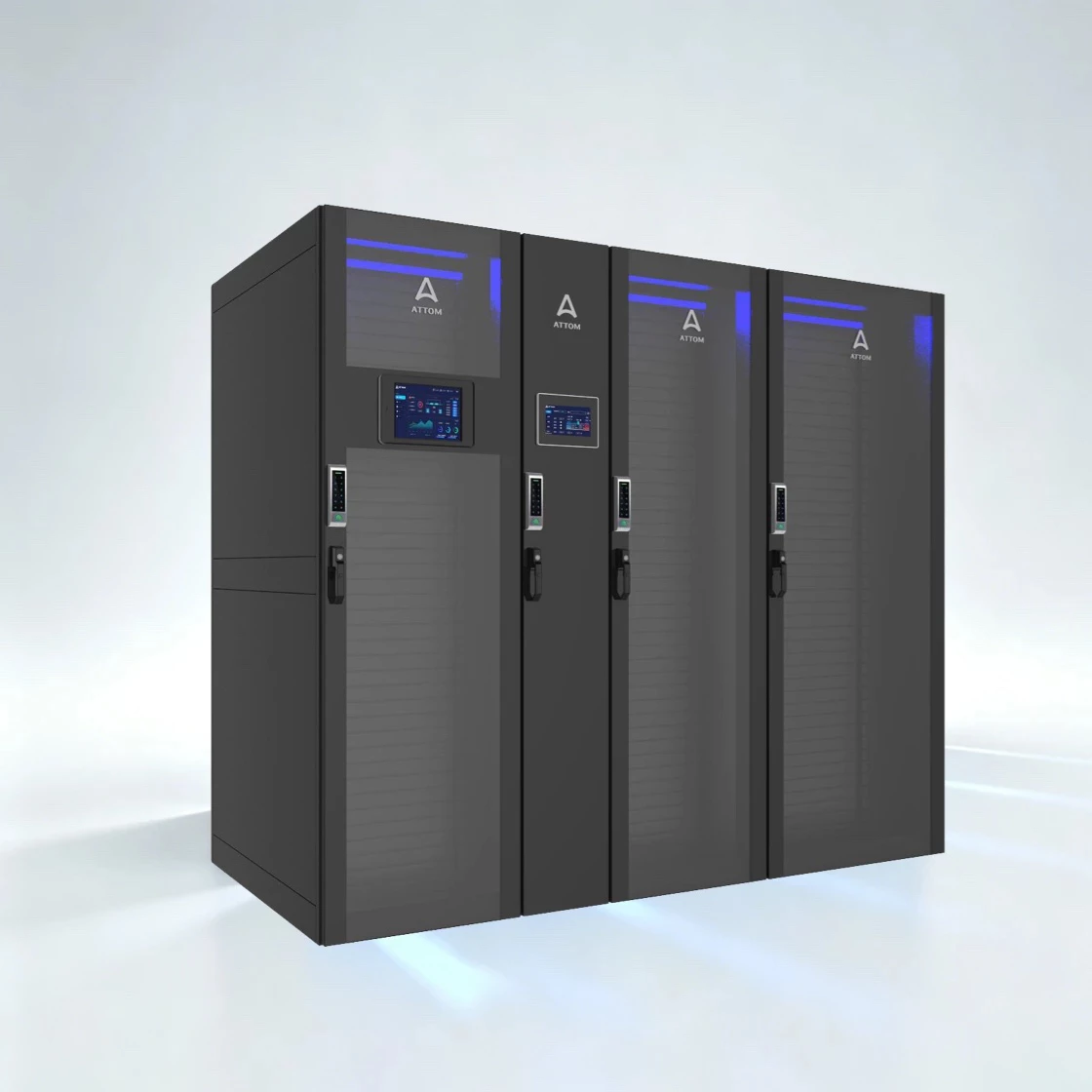
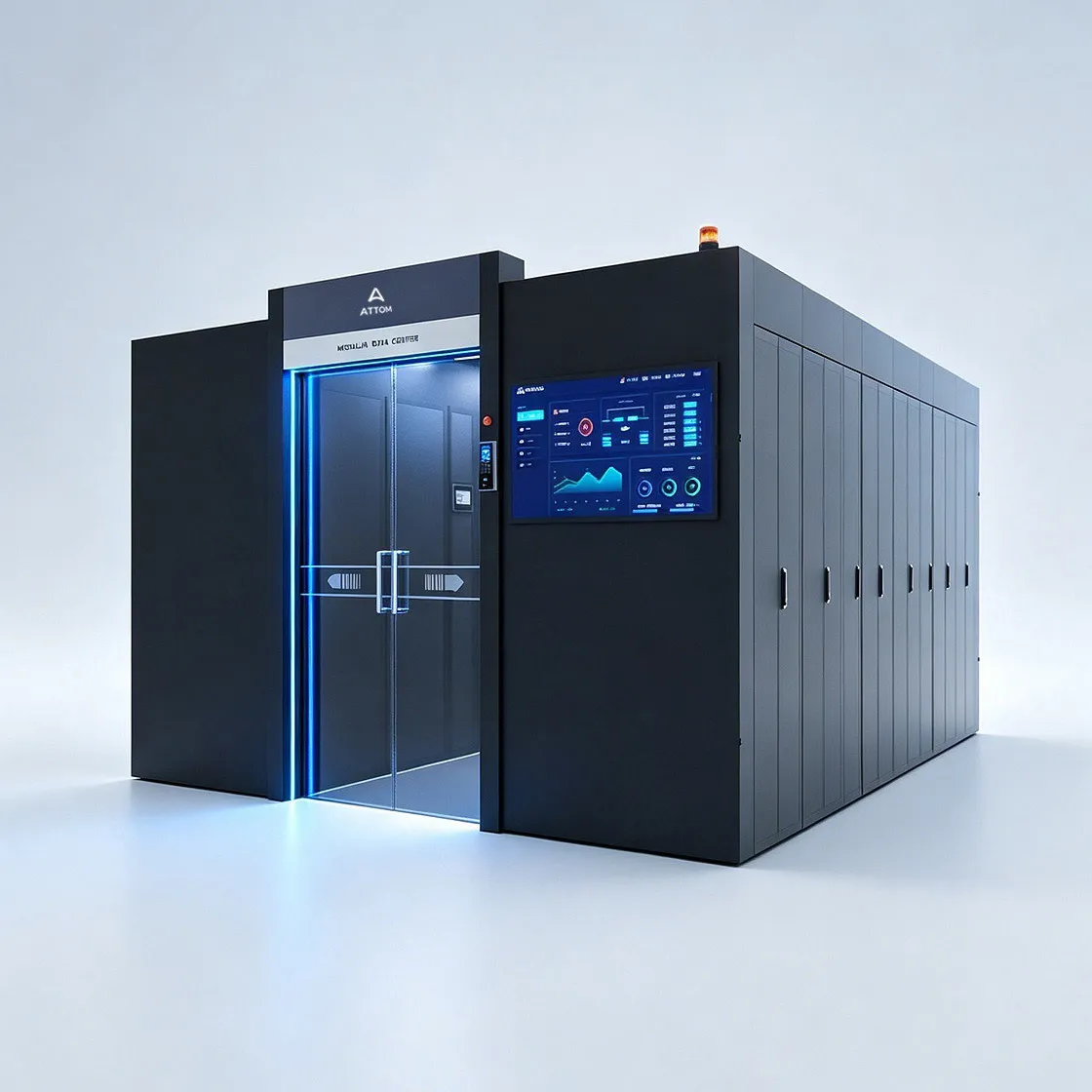
Attom Technology’s advanced liquid cooling solutions (ByteCool D2C and OceanCool immersion) and prefab modular platforms (including AgileCore) are designed to facilitate efficient heat recovery. By enabling higher operating temperatures and integrated thermal management, these systems help customers lower effective energy costs, improve PUE, and advance sustainable data center operations.