Definition
Energy Efficiency in data centers refers to the ability to deliver computing performance while minimizing energy consumption and reducing operational costs.
Energy-efficient data centers optimize the relationship between power usage, cooling performance, equipment utilization, and overall infrastructure design.
Why It Matters
Data centers consume significant amounts of electricity, and the growth of AI computing has increased the importance of efficient energy management.
Improving energy efficiency helps organizations achieve:
- Lower operating costs
- Reduced environmental impact
- Improved infrastructure performance
- Sustainable growth
Key Technologies
Efficient Cooling Systems
Advanced cooling technologies improve thermal management while reducing energy consumption.
Examples include:
- Liquid Cooling
- Precision Cooling
- Free Cooling
Intelligent Monitoring
Data center management systems optimize:
- Power consumption
- Cooling performance
- Equipment utilization
Efficient Infrastructure Design
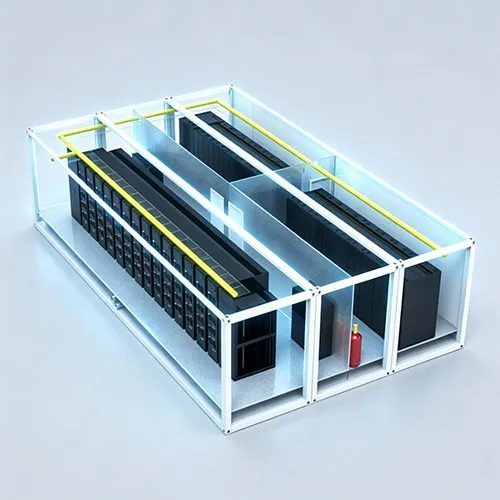
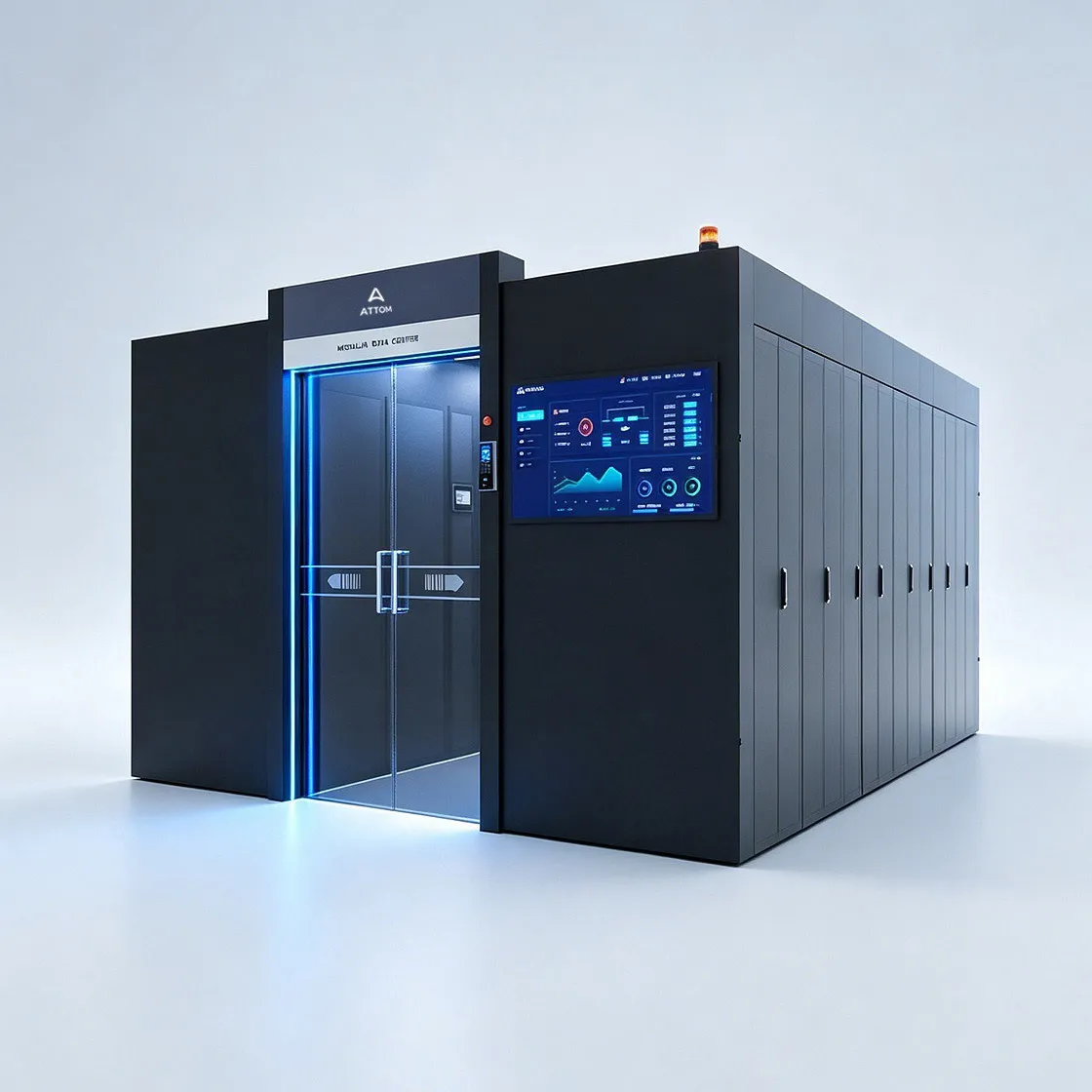
Modular data centers can improve efficiency through:
- Factory optimization
- Standardized design
- Reduced deployment complexity
Applications
Energy efficiency is important for:
- AI data centers
- Hyperscale facilities
- Enterprise infrastructure
- Edge computing deployments
Related Terms
- PUE (Power Usage Effectiveness)
- Liquid Cooling
- Critical Power
- Modular Data Center
- Data Center Infrastructure
Related ATTOM Solutions
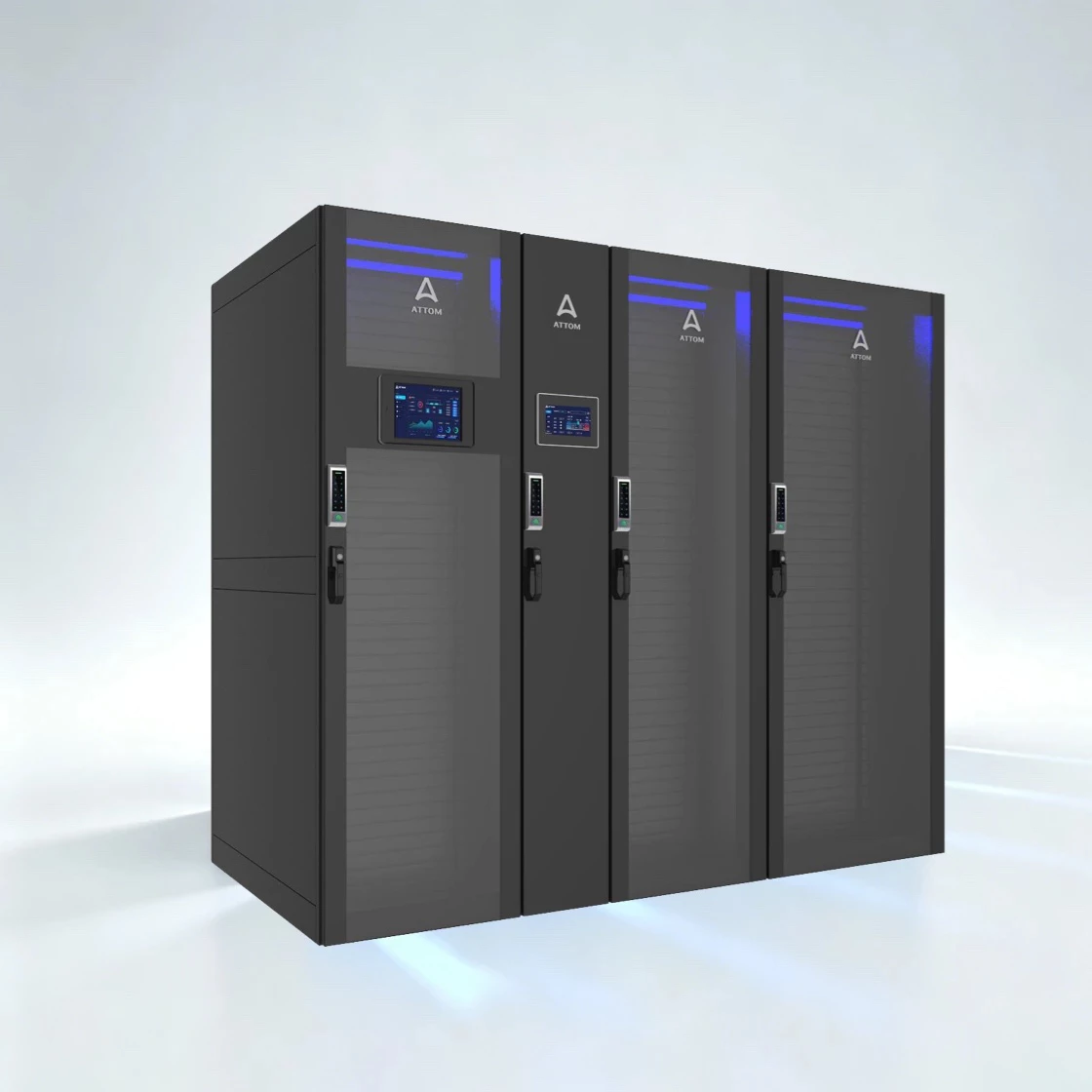
ATTOM designs energy-efficient infrastructure solutions combining advanced cooling, modular architecture, and intelligent power management for next-generation data centers.